



- หน้าหลัก
- สถานที่ท่องเที่ยว
สถานที่ท่องเที่ยว
21 - 38 / 38 ผลลัพธ์
-
ภาคใต้
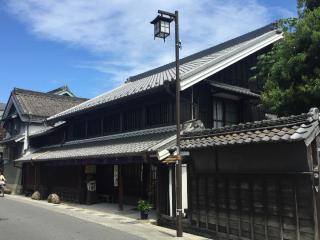
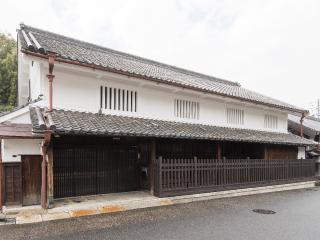
บ้านตระกูลนาคาฮะมะ(อาริมัตสึ)
ทรัพย์สินทางวัฒนธรรมที่ถูกขึ้นทะเบียนเป็นมรดกของชาติ สร้างขึ้นในสมัยเมจิ เป็นโครงสร้างบ้านเก่าของตระกูลพ่อค้า"โยกิชิโร ยามาดะ" มีรูปแบบกระเบื้องชายคาแบบ"ยามาโยะ" จากนั้นตระกูลนากาฮามะรับช่วงดำเนินธุรกิจต่อมาตั้งแต่ปี2004 โครงสร้างบ้านยังคงหลงเหลืออยู่ ทั้งการก่ออิฐ ตัวบ้านหลัก โถงเก็บของ ประตูรั้ว และการก่อผนังอิฐรูปกระดองเต่า(อิฐทรงหกเหลี่ยม)ยังคงพบเห็นได้ตามกำแพงดินรอบพื้นที่บ้าน ดูเพิ่มเติม
ทรัพย์สินทางวัฒนธรรมที่ถูกขึ้นทะเบียนเป็นมรดกของชาติ สร้างขึ้นในสมัยเมจิ เป็นโครงสร้างบ้านเก่าของตระกูลพ่อค้า"โยกิชิโร ยามาดะ"…ดูเพิ่มเติม
-
ภาคใต้
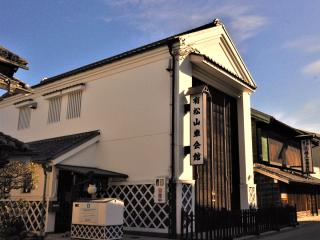
บ้านตระกูลทะนะฮะชิ (อะริมัตสึ)
ทรัพย์สินทางวัฒนธรรมที่ถูกขึ้นทะเบียนเป็นมรดกของชาติ ดูเพิ่มเติม
ทรัพย์สินทางวัฒนธรรมที่ถูกขึ้นทะเบียนเป็นมรดกของชาติดูเพิ่มเติม
-
ภาคใต้
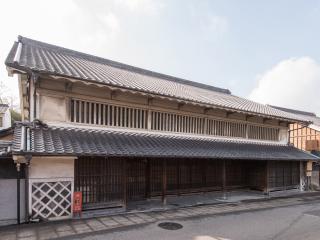
ศูนย์จัดแสดงรถแห่อะริมัตสึดะชิ
จัดแสดงรถแห่ทั้งสามที่ในงานเทศกาลของอะริมัตสึ (ได้แก่ รถโฮะเทฉะ รถคะระโกะฉะ รถจินกูโคโกฉะ) แบบหมุนเวียนไปทุกปีและอธิบายเรื่องราววัฒนธรรมงานเทศกาลของญี่ปุ่น เป็นเอกสารทางประวัติศาสตร์ที่ล้ำค่าซึ่งยังคงอยู่ โดยเป็นเอกสารเก่าแก่กว่า 400 ปีตั้งแต่สมัยเคโช และบ้านเรือนเรียงรายรอบ ๆ ยังทำให้รู้สึกสงบท่ามกลางบรรยากาศแบบเอโดะอีกด้วย ทุกท่านสามารถเข้าร่วมแห่รถในงานเทศกาลประจำฤดูใบไม้ร่วงที่จัดขึ้นในวันอาทิตย์แรกในเดือนตุลาคมของทุกปี มาให้ได้นะครับ ดูเพิ่มเติม
จัดแสดงรถแห่ทั้งสามที่ในงานเทศกาลของอะริมัตสึ (ได้แก่ รถโฮะเทฉะ รถคะระโกะฉะ รถจินกูโคโกฉะ) แบบหมุนเวียนไปทุกปีและอธิบายเรื่องราวว…ดูเพิ่มเติม
-
ภาคใต้
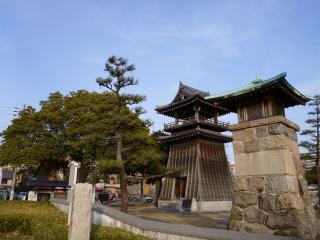
บ้านโอคะยะ (อะริมัตสึ)
A designated cultural property of Nagoya. Important townscape building. Built in late Edo period, Okatei is a building in which substantial architectural style is well preserved and it is the biggest residence in Arimatsu. The residence consists of a main house, a workplace and two warehouses. Its well-preserved architectural styles include renjikoshi, a kind of lattice window; namakokabe, a wall with square tiles jointed with raised plaster; mushikomado, a type of window containing an insect cage-like lattice; and nurigome-zukuri, a process used to build a fire-resistant wall. The wave-shaped fire-resistant plaster wall under eaves is a prominent feature of the house. ดูเพิ่มเติม
A designated cultural property of Nagoya. Important townscape building. Built in late Edo period, Okatei is a building in which s…ดูเพิ่มเติม
-
ภาคใต้
Miya no Watashi Park
Miya no Watashi Park is a historic park built from a wharf of Miya-juku, one of the 53 post stations of the Tokaido. The route from Miya-juku to Kuwana-juku was the only sea route in the whole Tokaido. The sea route was called Shichiri no Watashi based on the distance of the route. ดูเพิ่มเติม
Miya no Watashi Park is a historic park built from a wharf of Miya-juku, one of the 53 post stations of the Tokaido. The route fr…ดูเพิ่มเติม
-
ภาคใต้
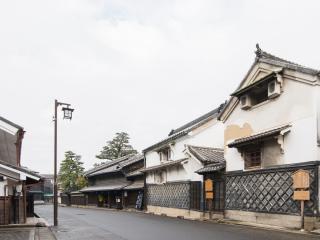
บ้านฮัตโตะริ (อะริมัตสึ)
Registered Important Cultural Property of Aichi Prefecture. This is a mansion established in the late Edo era and consisting of one main building, one guest house, a gate, mon-nagaya (houses in a row with the gate), and six storehouses in the large site. Fire protection technology of those days is well preserved with the following architectural styles: renjikoshi, a kind of lattice window; namakokabe, a wall with square tiles jointed with raised plaster; mushikomado, a type of window containing a lattice like an insect cage; nurigome-zukuri, a process used to build a fire-resident wall; and udatsu, a short pillar set on a beam to support a ridgepole. House of Hattori is a representative building of Arimatsu. ดูเพิ่มเติม
Registered Important Cultural Property of Aichi Prefecture. This is a mansion established in the late Edo era and consisting of o…ดูเพิ่มเติม
-
ภาคใต้
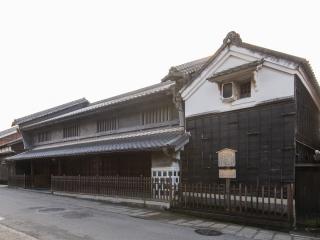
บ้านโคะซึกะ (อะริมัตสึ)
A designated cultural property of Nagoya. Important townscape building. The House of Kozuka was built after the great fire of Tenmei occurred in Nagoya in 1784. The house consists of one main house, two storehouses, and one tea ceremony room. The following architectural styles are remarkably well preserved: renjikoshi, a kind of lattice window; namakokabe, a wall with square tiles jointed with raised plaster; mushikomado, a type of window containing lattice like an insect cage; nurigome-zukuri, a process used to build a fire-resistant wall; and udatsu, a short pillar set on a beam to support a ridgepole. A ring to tie horses that remains on the outer pillar recalls to mind the old days. ดูเพิ่มเติม
A designated cultural property of Nagoya. Important townscape building. The House of Kozuka was built after the great fire of Ten…ดูเพิ่มเติม
-
ภาคใต้
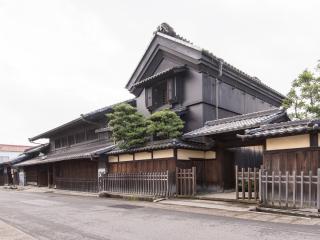
บ้านทาเคดะ (อะริมัตสึ)
ทรัพย์สินทางวัฒนธรรมซึ่งเมืองนาโกย่าได้กำหนดขึ้นและสถาปัตยกรรมที่มีความสำคัญต่อภูมิทัศน์ของเมือง หนึ่งในอาคารที่หลงเหลืออยู่ในสภาพดี โดยเป็นร้านค้าผ้ามัดย้อมและเป็นสัญลักษณ์ของถนนอะริมัตสึโทไกโด ร้านหลัก 1 หลัง โกดัง 3 หลัง ศาลาชงชา 1 หลัง ห้องแบบญี่ปุ่นที่ทำแบบห้องเรียนสไตล์โชอินขนาด 26 เสื่อตาตามิ อนุรักษ์ไว้จวบจนถึงปัจจุบันได้อย่างสมบูรณ์ที่สุด ทั้งกำแพงชั้นสองฉาบปูนสีดำ เพิ่มแสงด้วยตะเกียงแก๊สจากสมัยเมจิและความรุ่งเรืองของพ่อค้าในสมัยนั้น ดูเพิ่มเติม
ทรัพย์สินทางวัฒนธรรมซึ่งเมืองนาโกย่าได้กำหนดขึ้นและสถาปัตยกรรมที่มีความสำคัญต่อภูมิทัศน์ของเมือง หนึ่งในอาคารที่หลงเหลืออยู่ในสภ…ดูเพิ่มเติม
-
ภาคใต้
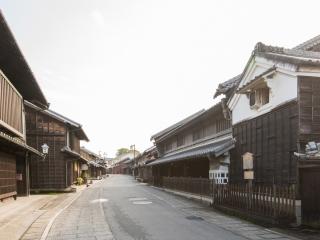
Historic Townscapes of Arimatsu
ตั้งหมู่บ้านในพื้นที่ระหว่างที่พักระหว่างทางจิริวโนะและที่พักนะรุมิบนเส้นทางโทไกโดเก่าขึ้นโดยการสนับสนุนของแคว้น ในสมัยเคโจที่ 13 (พ.ศ.2151) กล่าวกันว่าผ้ามัดย้อมอะริมัตสึชิโบริที่สืบทอดกันมาในพื้นที่นี้ได้คิดค้นขึ้นโดยทาเคดะ โชคุโร่ซึ่งย้ายมาอยู่ที่เมืองนี้เป็นคนแรก ๆ และทำให้เมืองอะริมัตสึก็เจริญรุ่งเรืองขึ้นมาพร้อมกับการย้อมผ้า เมื่อเดินไปตามถนนโทไกโดที่มีบ้านเรื่อนเรียงรายในเมืองอะริมัตสึมาประมาณ 800 เมตรก็จะพบกับร้านขายผ้าม้ดย้อมขนาดใหญ่ ประตู ผนังมากมาย ดูเพิ่มเติม
ตั้งหมู่บ้านในพื้นที่ระหว่างที่พักระหว่างทางจิริวโนะและที่พักนะรุมิบนเส้นทางโทไกโดเก่าขึ้นโดยการสนับสนุนของแคว้น ในสมัยเคโจที่ 13…ดูเพิ่มเติม
-
ภาคตะวันตก
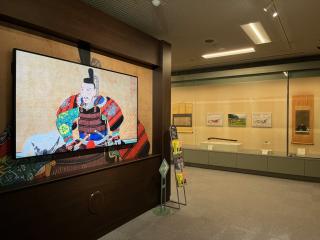
Nagoya City Hideyoshi Kiyomasa Memorial Hall
The exhibition items are mainly related to the acts of Toyotomi Hideyoshi and items regarding the era, from the period when Toyotomi Hideyoshi served under Oda Nobunaga until when the Toyotomi Family was defeated at the Summer Battle of Osaka Castle. The exhibitions regarding warlords born in the Owari region including Kato Kiyomasa are also held. Several video programs are available to visitors. ดูเพิ่มเติม
The exhibition items are mainly related to the acts of Toyotomi Hideyoshi and items regarding the era, from the period when Toyot…ดูเพิ่มเติม
-
ชานเมือง
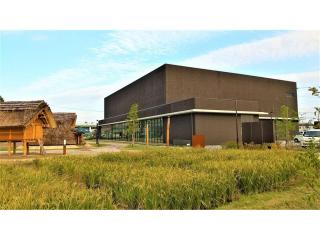
พิพิธภัณฑ์ซากปรักหักพังไอจิอาซาฮี
พิพิธภัณฑ์แห่งอารยธรรมโบราณในจังหวัดไอจิแห่งนี้ นำเสนอเรื่องราวของซากปรักหักพังของอาซาฮี ซึ่งเป็นซากปรักหักพังในสมัยยาโยอิที่ใหญ่ที่สุดในญี่ปุ่น ซากปรักหักพังของอาซาฮีเป็นหนึ่งในชุมชนที่ใหญ่ที่สุดในญี่ปุ่น ซึ่งปรากฏอยู่ในสมัยยาโยอิตอนต้นไปจนถึงยุคโคฟุนตอนต้น (ศตวรรษที่ 6 ก่อนคริสตกาล ถึงศตวรรษที่ 4 ก่อนคริสตกาล) โดยชุมชนแห่งนี้เจริญรุ่งเรืองในฐานะศูนย์กลางของชีวิตและวัฒนธรรมในภูมิภาค และยังมีบทบาทสำคัญในการเชื่อมวัฒนธรรมยาโยอิของญี่ปุ่นตะวันออกและตะวันตกเข้าด้วยกัน จากการขุดค้นมาจนถึงปัจจุบัน พบซากปรักหักพังทอดยาวจากทิศตะวันออกไปทิศตะวันตก 1.4 กิโลเมตร และจากทิศเหนือไปทิศใต้ 0.8 กิโลเมตร โดยมีพื้นที่ประมาณ 800,000 ถึง 1 ล้านตารางเมตร นอกจากนี้ ยังมีที่อยู่อาศัยสร้างขึ้นบนพื้นที่ลาดชันเล็กน้อยทางด้านเหนือและใต้ของหุบเขาที่ทอดยาวจากทิศตะวันออกเฉียงเหนือไปยังทิศตะวันตกเฉียงใต้ และมีหลุมศพสร้างขึ้นล้อมรอบพื้นที่ที่อยู่อาศัย โดยมีพื้นที่สำหรับฝังศพขนาดใหญ่โดยเฉพาะทางด้านตะวันออกและตะวันต… ดูเพิ่มเติม
พิพิธภัณฑ์แห่งอารยธรรมโบราณในจังหวัดไอจิแห่งนี้ นำเสนอเรื่องราวของซากปรักหักพังของอาซาฮี ซึ่งเป็นซากปรักหักพังในสมัยยาโยอิที่ใหญ่…ดูเพิ่มเติม
-
ชานเมือง
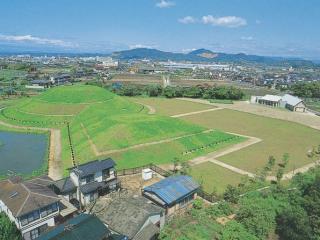
Aotsuka kofun and historic site park
Aotsuka kofun is a keyhole-shaped Japanese burial mound located in the southern part of Inuyama City, on the ridge of the diluvial upland 31 meters above sea level. The total length of the burial mound is 123m. The height of the circular portion is 12m and that of square-shaped portion is 7m. This burial mound is the second largest tomb in Aichi Prefecture. There are exhibtion room and a lounge at the guidance facility. ดูเพิ่มเติม
Aotsuka kofun is a keyhole-shaped Japanese burial mound located in the southern part of Inuyama City, on the ridge of the diluvia…ดูเพิ่มเติม
-
ชานเมือง
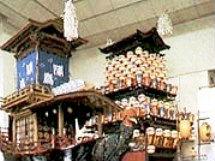
Inuyama Artcraft Museum / Karakuri Exhibition Room
Materials regarding the history and cultural heritage of a castle town, Inuyama, are exhibited. The floats of the Inuyama Festival, marionettes, and artifacts kept in Inuyama are also exhibited. Historical documents for the compilation of a history of Inuyama are preserved. The studio of a puppet master, the 9th Tamaya Shobe, is installed and marionette manufacturing is demonstrated every Friday and Saturday, from 10:00 a.m. to 4:00 p.m. A painting by Tsuda Teizo (the 13th Tsuda Sukezaemon) focusing on a marionette named "bishu kikogenso" is exhibited. ดูเพิ่มเติม
Materials regarding the history and cultural heritage of a castle town, Inuyama, are exhibited. The floats of the Inuyama Festiva…ดูเพิ่มเติม
-
ชานเมือง
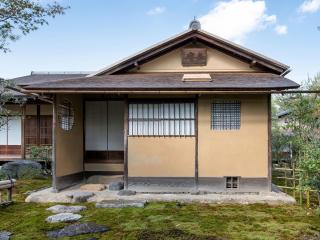
Japanese Garden Urakuen
The Tea House Joan is a tea room constructed by Oda Urakusai, a prominent tea master born in the historical province of Owari during the early days of the tea ceremony. Designated as a national treasure in 1936, the structure is important to the history of tea ceremony culture. The study relocated at the same time as Joan is designated as an important cultural property. In addition, there are a tea ceremony room called Genan which Oda Urakusai built in Osaka’s Tenma neighborhood and was restored based on old drawings, a newly built tea ceremony room called Koan, and a four-season garden. ดูเพิ่มเติม
The Tea House Joan is a tea room constructed by Oda Urakusai, a prominent tea master born in the historical province of Owari dur…ดูเพิ่มเติม
-
ชานเมือง
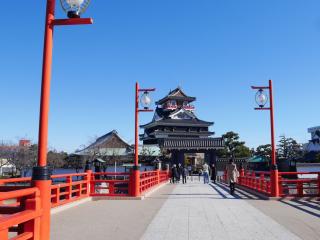
ปราสาทคิโยสุ
ว่ากันว่าปราสาทนี้ถูกสร้างขึ้นเมื่อสมัยมูโรมาจิราวปี 1405 โดยเจ้าครองแคว้นโอวาริ- ชิบะ โยชิชิเกะ โดยสร้างแยกจากป้อมปราสาทชิโมะทสึ(เมืองอินาซาว่า) ต้นสมัยโคจิ(ปี1555) ไดเมียวโอดะ โนบุนางะ ได้ย้ายจากปราสาทนาโกะยะเข้ามาที่นี่ และเขาได้รับชัยชนะจากสงครามโอเกะฮาซามะเมื่อปีเอโรคะ3(1560) ที่นี่ถูกรับรู้ในนามว่าเป็นก้าวแรกสู่การรวมแคว้นให้เป็นอันหนึ่งอันเดียวกัน ช่วงต้นสมัยเอะโดะ คนของปราสาทมีถึง6-7หมื่นคน จึงถูกขนานนามว่า 「เมืองใหญ่แห่งภูมิภาคคันโต」และปราสาทคิโยสุนี้ยังได้รับการยกย่องว่าเป็น「ปราสาทที่มีชื่อเสียงของโลก」อีกด้วย ตัวหอปราสาทหลักปัจจุบัน นั้นถูกสร้างเมื่อปี ค.ศ. 1989 คุณสามารถสัมผัสประวัติศาตร์ของคิโยสุได้ผ่านการจัดแสดงอันประณีต ดูเพิ่มเติม
ว่ากันว่าปราสาทนี้ถูกสร้างขึ้นเมื่อสมัยมูโรมาจิราวปี 1405 โดยเจ้าครองแคว้นโอวาริ- ชิบะ โยชิชิเกะ โดยสร้างแยกจากป้อมปราสาทชิโมะทสึ…ดูเพิ่มเติม
-
ชานเมือง
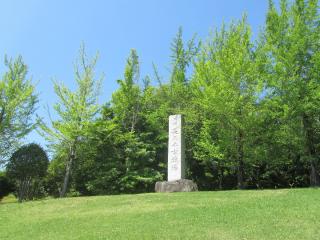
Nagakute ancient battle field memorial park
This is the ancient battlefield where Toyotomi Hideyoshi and Tokugawa Ieyasu fought a fierce battle in 1584 and it is designated as national historic site. Today, the site is maintained as Kosenjo Park with mounds of the warlords and materials on the local area. In addition, a stone on which Tokugawa Ieyasu satg and held a war council remains in the Historical Museum located 1 km north of Kosenjo Park. ดูเพิ่มเติม
This is the ancient battlefield where Toyotomi Hideyoshi and Tokugawa Ieyasu fought a fierce battle in 1584 and it is designated …ดูเพิ่มเติม
-
ชานเมือง
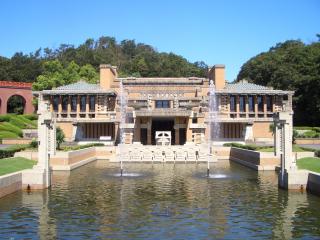
Museum Meiji-mura
หลงเหลือและถ่ายทอดคุณค่าที่แท้จริง The Museum, Meiji-Mura was opened on March 18, 1965 as an open-air museum for preservation and exhibition of architecture of the Meiji Era. 68 buildings moved to this 100,000 m2 hilly land with a beautiful landscape near Inuyama City and by Irukaike Pond, including national treasures like St. John's Church. In Meiji-Mura, a steam locomotive and streetcars of Kyoto are maintained for actual use and are used for transport in Meiji-Mura. ดูเพิ่มเติม
หลงเหลือและถ่ายทอดคุณค่าที่แท้จริง The Museum, Meiji-Mura was opened on March 18, 1965 as an open-air museum for preservation …ดูเพิ่มเติม
-
ชานเมือง
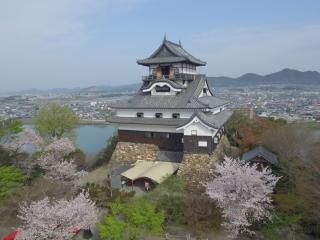
ปราสาทอินุยะมะ
ปราสาทสี่ชั้นซึ่งมีชั้นใต้ดินสองชั้น แต่เห็นหลังคาปราสาทเป็นสามชั้นแห่งนี้ได้รับการสร้างขึ้นโดยโอดะ โนบุยะสึ (หรืออีกชื่อหนึ่ง คือ โยจิโระ)ได้รับการขนานนามว่าเป็นสถาปัตยกรรมรูปแบบนี้ที่เก่าแก่ที่สุดในญี่ปุ่นและได้รับการกำหนดให้เป็นสมบัติชาติ เป็นปราสาทที่ครอบครองโดยบุคคลธรรมดาซึ่งหาได้ยากในญี่ปุ่น โดยที่นี่อยู่ในการครอบครองของโชกุนฮิเดะทะดะ โชกุนรุ่นที่สองของตระกูลโทคุกาว่า ในสมัยเอโดะไปจนสิ้นรัชกาล จากนั้นตระกูลนารุเสะก็เข้าครอบครองเป็นเจ้าของปราสาทตนถึงปีเฮเซที่ 16 ปัจจุบันถูกโอนไปเก็บที่จดหมายเหตุปราสาทอินุยะมะ(ซึ่งเป็นทรัพย์สินของสาธารณะ) และเก็บรักษาโดยเมืองอินุยะมะ มีผู้คนเข้ามาเยี่ยมชมเป็นจำนวนมากเหมือนกับเมืองเก่ารอบปราสาทที่เนืองแน่นไปด้วยผู้คน ดูเพิ่มเติม
ปราสาทสี่ชั้นซึ่งมีชั้นใต้ดินสองชั้น แต่เห็นหลังคาปราสาทเป็นสามชั้นแห่งนี้ได้รับการสร้างขึ้นโดยโอดะ โนบุยะสึ (หรืออีกชื่อหนึ่ง คื…ดูเพิ่มเติม