



- Home
- Sightseeing Spots
Sightseeing Spots
41 - 59 / 59 RESULTS
-
Eastern Area
Nagoya City Museum
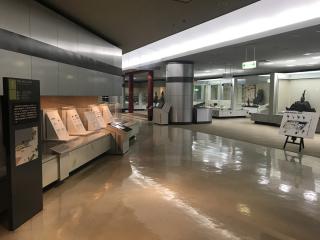
A museum of historical objects from the Owari region, with a focus on Nagoya A museum of historical objects from the Owari region, with a focus on Nagoya. The permanent exhibition hall gives an introduction to history from the Paleolithic Age to the present day. Many of the materials come from 24,000 or so donations from citizens, and there are over 270,000 artifacts in total in the collection. The special exhibition hall holds about five exhibitions every year, including special exhibitions on Cultural Heritage inside and outside Japan, and temporary exhibitions on the history and culture of the Owari region. There are also various events like lectures and workshops planned for visitors to the museum. In front of the museum there is a Japanese-style garden that can be enjoyed in every season. There is an auditorium on the basement 1st floor and a gallery on the 3rd floor that are op… See More
A museum of historical objects from the Owari region, with a focus on Nagoya A museum of historical objects from the Owari reg…See More
-
Southern Area
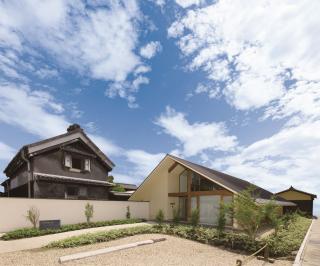
Chiyokura Memorial Museum
See More
See More
-
Southern Area
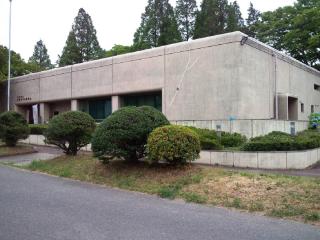
Nagoya City Miharashidai Archaeological Museum
This is a museum specializing in archaeology. It is located on the ruins of Miharashidai, which is known as a moat village of the late-Yayoi era. In addition to the ruins of Miharashidai, the museum contains: an exhibition room where archaeological finds of Nagoya are exhibited, the habitation site observation building, and a moat observation corner. In summer, excavation and investigation open to citizen participation are conducted. See More
This is a museum specializing in archaeology. It is located on the ruins of Miharashidai, which is known as a moat village of the…See More
-
Southern Area
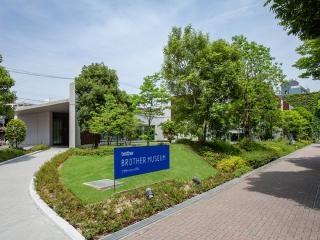
Brother Museum
An experiential and display museum for discovering the lineage of manufacturing Brother Museum has a Communication Hall, Product Zone, History Zone, Sewing Machine Zone, and Library. Such products as inkjet or laser printers, fax machines, home sewing machines, industrial sewing machines, electronic stationery and online karaoke systems are on display. ・The museum is home to one of the finest collections of sewing machines in Japan. The collection includes a replica of the first sewing machine in the world, antique sewing machines from overseas, iconic Brother machines, and more. ・Have fun with the latest Brother products. Try out the latest Brother technology by making sewing machine embroidery, creating name stickers and paper crafts, printing photos, and more. See More
An experiential and display museum for discovering the lineage of manufacturing Brother Museum has a Communication Hall, Pro…See More
-
Southern Area
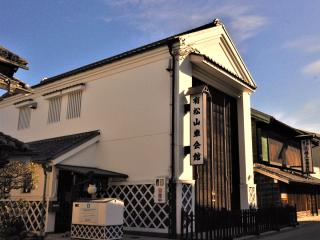
Arimatsu Dashi Float Hall
The hall displays three floats of Arimatsu (Hoteisha, Karakosha, and Jingukogosha) alternately, one each year, and introduces the area's festival culture. Just as the townscape has kept its calm Edo period charm over the last 400 years since the Keicho era, these floats are also important historical artifacts that are still in use today. Anyone can participate in pulling the floats during the annual fall festival on the first Sunday of October. Please come and visit! See More
The hall displays three floats of Arimatsu (Hoteisha, Karakosha, and Jingukogosha) alternately, one each year, and introduces the…See More
-
Port
Poop Museum NAGOYA
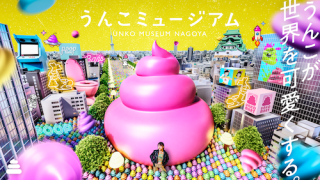
“Unko Museum NAGOYA” is an “unko-kawaii” entertainment space where everyone from children to adults can get absorbed in looking at poop, touching it, photographing it, and playing with it. The Nagoya location, the second permanent venue following Tokyo, has the theme “HAPPY GOLD LUCKY.” It is an “Unko Museum” that combines the cute poop-inspired world of Unko Museum with glamorous, auspicious motifs distinctive to Nagoya. The most popular attraction at Unko Museum is “Unko Volcano.” It is a giant poop volcano that stores poop energy from all over the world. When the countdown begins and reaches zero, lots of poop erupts with great force! The whole venue comes together as one. In addition, the museum’s most popular photo spot, the “Un-go Neon Corner,” features not only the word “poop” in various languages, but also a special design packed with motifs such as Nagoya specialtie… See More
“Unko Museum NAGOYA” is an “unko-kawaii” entertainment space where everyone from children to adults can get absorbed in looking a…See More
-
Port
Japan Spinning Top Museum
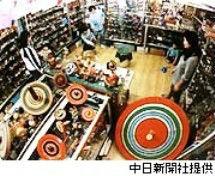
A long time ago, an indispensable children's game was the spinning top. Not only in Japan but from all over the world, 20,000 spinning tops are collected here. The toys sold at dagasiya (old-fashioned penny candy stores) and traditional toys of the world are also exhibited. In addition, visitors can learn how to play with the spinning tops. See More
A long time ago, an indispensable children's game was the spinning top. Not only in Japan but from all over the world, 20,000 spi…See More
-
Port
Birding Hots Spot Fujimae Tideland
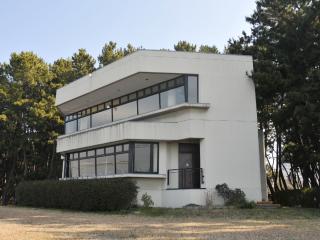
Nagoya City Wild Bird Watching Building: Where you can see migrating birds on the Fujimae Tidal Flat Throughout the year, more than 100 species of wild birds land at the Fujimae Tidal Flat. It is the foremost landing spot for migratory birds in the country, and is a designated Ramsar Site. The Nagoya City Wild Bird Watching Building is a place where you can watch them. You can see sandpipers and plovers in the migrating seasons in the spring and fall, and thousands of ducks and dunlins in winter. Recently, there has been an increase in sightings of ospreys (a relative of the hawk). If you're lucky, you'll get to see an osprey catch and eat a fish. See More
Nagoya City Wild Bird Watching Building: Where you can see migrating birds on the Fujimae Tidal Flat Throughout the year, more…See More
-
Western Area
Toyotomi Museum
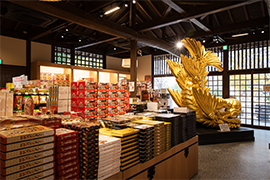
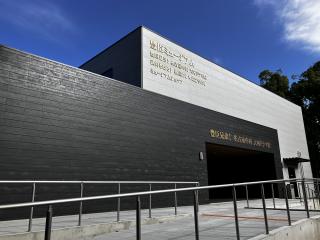
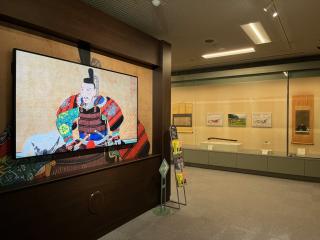
The Toyotomi Museum is a cultural complex that opened in Nakamura Park— a place closely associated with Toyotomi Hideyoshi and his younger brother Hidenaga— to coincide with the 2026 NHK Taiga drama “Toyotomi Brothers!”. At the “Taiga Drama Museum: Toyotomi Brothers! Nagoya Nakamura,” visitors can immerse themselves more deeply in the world of the drama. In addition to the Taiga Drama Museum, the facility also features a museum shop and a unique exhibition titled “Warlords’ Delight! Sengoku Cuisine Meets Nagoya Meshi,” showcasing the history and culture of Nagoya. Enjoy not only the world of the Taiga drama, but also the unique charms of Nagoya. See More
The Toyotomi Museum is a cultural complex that opened in Nakamura Park— a place closely associated with Toyotomi Hideyoshi and hi…See More
-
Western Area
Nagoya City Hideyoshi Kiyomasa Memorial Hall
The exhibition items are mainly related to the acts of Toyotomi Hideyoshi and items regarding the era, from the period when Toyotomi Hideyoshi served under Oda Nobunaga until when the Toyotomi Family was defeated at the Summer Battle of Osaka Castle. The exhibitions regarding warlords born in the Owari region including Kato Kiyomasa are also held. Several video programs are available to visitors. See More
The exhibition items are mainly related to the acts of Toyotomi Hideyoshi and items regarding the era, from the period when Toyot…See More
-
Western Area
Currently Closed
D. Museum (Daiichi Museum)
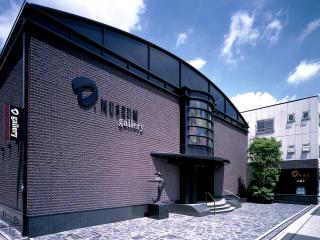
A fine arts museum with the foremost glass collection in the Chubu region A glass art museum that opened in May 1997 with the aim of being a different kind of art museum. The permanent exhibition is made up of Arts Nouveau pieces, including pieces by late 19th century artist Emile Galle that were shown at the world fair, and powerful works by Dale Chihuly, the foremost pioneer of modern glass art and America's first Living National Treasure. Get a taste of each of these cultures through works by contemporary and modern masters. There are also special exhibitions and introductions of up-and-coming artists from around the world. See More
A fine arts museum with the foremost glass collection in the Chubu region A glass art museum that opened in May 1997 with the …See More
-
Outside of Nagoya
Aichi Asahi Site Museum
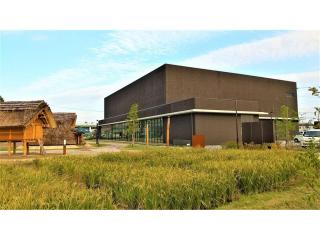
This museum of ancient civilization introduces the Asahi Ruins, the largest Yayoi-period ruins in Japan, located in Aichi Prefecture. The Asahi Ruins are one of the largest settlements in Japan, which existed from the early Yayoi period to the early Kofun period (6th century BC to 4th century AD). The settlement flourished as the center of life and culture in the region and played an important role in connecting the Yayoi cultures of eastern and western Japan. Investigations to date have revealed that the ruins stretch 1.4 km from east to west and 0.8 km from north to south, with an estimated area of 800 thousand to one million square meters. Residences were built on slight elevations on the north and south sides of a valley that flows from northeast to southwest. Graves were built to surround the residential area with large burial areas particularly widespread on the east and west … See More
This museum of ancient civilization introduces the Asahi Ruins, the largest Yayoi-period ruins in Japan, located in Aichi Prefect…See More
-
Outside of Nagoya
Tengai Cultural Foundation (Akio Morita Library)
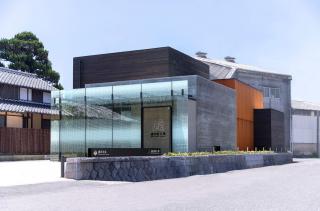
The Tengai Cultural Foundation carries out projects such as the preservation and research of ancient documents and classic books related to Aichi Prefecture and the Morita family, and holds exhibitions and presentations at the Raykay Museum to make the results of its work public. The adjacent Akio Morita Library is a memorial museum that introduces the personalities of Sony founder Morita Akio and his wife Yoshiko. Many public and private items left behind by the couple are on display, conveying their achievements. See More
The Tengai Cultural Foundation carries out projects such as the preservation and research of ancient documents and classic books …See More
-
Outside of Nagoya
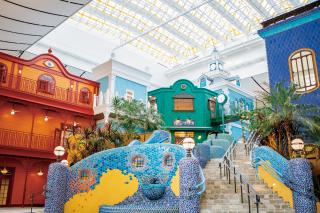
Ghibli Park
Ghibli Park was established inside Expo 2005 Aichi Commemorative Park (Moricoro Park) to illustrate the beloved works of Studio Ghibli. The park is made up of five different areas, with the first phase opening Ghibli's Grand Warehouse, the Hill of Youth, and Dondoko Forest to the public in November 2022. The second phase opened Mononoke Village in fall of 2023 and the Valley of Witches is planned for March 2024. Take walk through forests and paths leading you right into the world of Studio Ghibli. See More
Ghibli Park was established inside Expo 2005 Aichi Commemorative Park (Moricoro Park) to illustrate the beloved works of Studio G…See More
-
Outside of Nagoya
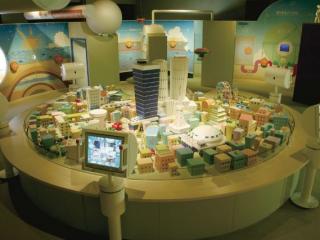
Gas and Energy Exhibition Hall
This is a hands-on exhibition facility for learning about global warming and energy. Visitors can gain a better understanding of environmental issues through the total of 18 exhibitions including the "Global Warming Terrarium" where they can see images about global warming on a big screen and "Fuel Cell Lab" where they can learn about new energy technologies. Visitors also can see an ignition experiment of "burning ice", methane hydrate, which is considered to be an ideal future energy source. See More
This is a hands-on exhibition facility for learning about global warming and energy. Visitors can gain a better understanding of …See More
-
Outside of Nagoya
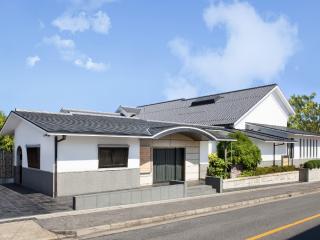
Meito Art Museum
A Meito Art Museum where you can enjoy a leisurely atmosphere and moments of interaction with beauty. It houses modern and contemporary Japanese paintings by artists such as Yokoyama Taikan, Kawabata Gyokusho, and Hirayama Ikuo. The collection boasts a rich content, particularly featuring exquisite beauty portraits by artists like Kamisaka Sekka, Kaburaki Kiyokata, and Ito Shinsui. The museum also focuses on collecting artistic materials such as sketches and preparatory drawings, aiming to promote the spread of Japanese painting through various activities. See More
A Meito Art Museum where you can enjoy a leisurely atmosphere and moments of interaction with beauty. It houses modern and contem…See More
-
Outside of Nagoya
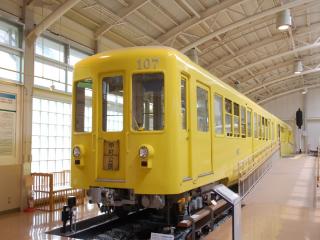
Nagoya City Tram and Subway Museum
Nagoya City Tram & Subway Museum was established on June 1,2000 to maintain and exhibit historic carriages including tramcars which had been operated in Nagoya for 77 years and "kiden (Windsor yellow subway car)" which was the first subway car of the Nagoya Municipal Subway when it was opened in 1957 as the third subway system of Japan. The museum also promotes better understanding of the mission and the role of public transportation through hands-on exhibitions. See More
Nagoya City Tram & Subway Museum was established on June 1,2000 to maintain and exhibit historic carriages including tramcars whi…See More
-
Outside of Nagoya
Seto Gura Museum
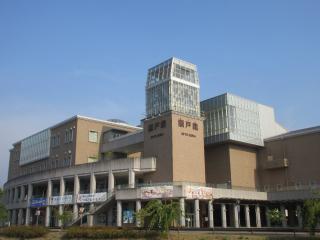
A museum where you can experience the history of pottery. A pottery workshop, coal kiln, chimney, and other buildings have been recreated with the theme of the 20th century in Seto. The museum introduces the more than 1,000-year history of Seto ware, and the relationship between ceramics-making and the Setoden railway. A real Setoden train car is also on display. See More
A museum where you can experience the history of pottery. A pottery workshop, coal kiln, chimney, and other buildings have been r…See More
-
Outside of Nagoya
Aichi Museum of Flight *Closed from June 2026 to the end of January 2027*
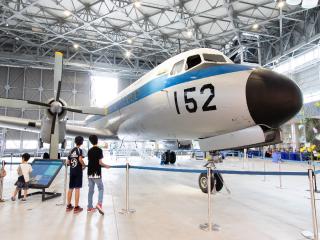
An aircraft-themed museum located within Nagoya Airport, operated by Aichi Prefecture. In addition to exhibits of actual aircraft, including the YS-11—the first domestically produced passenger aircraft in Japan after the war, which made its maiden flight at Nagoya Airport—the museum offers a wide range of hands-on programs, such as “career experiences” for pilots and mechanics, and the “Science Lab,” where visitors can enjoy learning how aircraft fly. See More
An aircraft-themed museum located within Nagoya Airport, operated by Aichi Prefecture. In addition to exhibits of actual aircr…See More