

- Home
- Sightseeing Spots
Sightseeing Spots
1 - 20 / 28 RESULTS
-
Nagoya Station
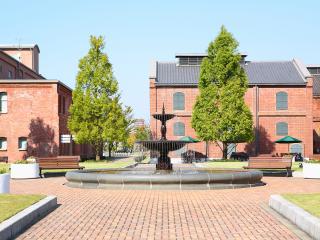
Noritake Garden
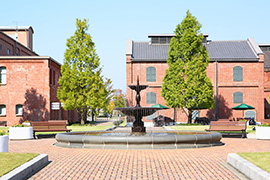
Opened in commemoration of the 100th year anniversary of the pottery and ceramics maker Noritake. In this premises filled with lush greenery, you can tour a pottery and ceramics factory and museum displaying the Noritake of the good ol' days, as well as paint on patterns for yourself. You can also enjoy shopping for dishes and other tableware in the Noritake-operated store. There is also a restaurant, cafe, and more using Noritake dishes. All buildings are wheelchair accessible. See More
Opened in commemoration of the 100th year anniversary of the pottery and ceramics maker Noritake. In this premises filled with lu…See More
-
Nagoya Station
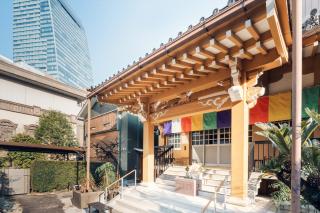
Kuon-ji Temple (Nichiren Shu School)
Kuon-ji Temple is a Nichiren Shu temple built around 150 years after its founding at the end of the Edo period. Close to Nagoya Station, it stands quietly in a corner lined with office buildings. Please spend a moment of peace of mind while looking at the garden that colors each season. See More
Kuon-ji Temple is a Nichiren Shu temple built around 150 years after its founding at the end of the Edo period. Close to Nagoya S…See More
-
Sakae / Fushimi
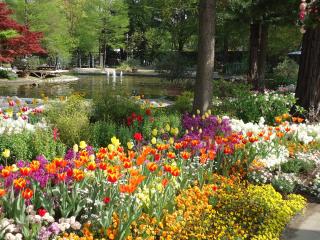
Hisaya-odori Garden Flarie
Made of 6 themed gardens which allow you to enjoy the city's greenery, flowers, waterscapes, and more while you are able to take walks, eat, and shop. Events and various classes are also held here. See More
Made of 6 themed gardens which allow you to enjoy the city's greenery, flowers, waterscapes, and more while you are able to take …See More
-
Northern Area
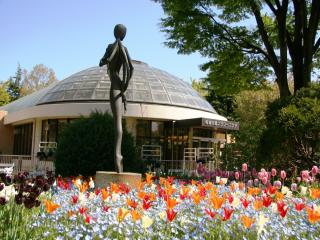
Meijo Park
The collective name for the parks surrounding Nagoya Castle, including Ni-no-Maru, San-no-Maru, and up to the northern public park. It is most often used to refer to the park north of the castle. The park has a wide grassy space surrounding Ofukeike Pond that has a stream running through it, a seasonal garden, Meijo Park Flower Plaza, and other areas besides. There are many seasonal exhibitions and events held, as well as regularly held lectures on flower arranging and other topics, gardening consultations, and more. See More
The collective name for the parks surrounding Nagoya Castle, including Ni-no-Maru, San-no-Maru, and up to the northern public par…See More
-
Northern Area
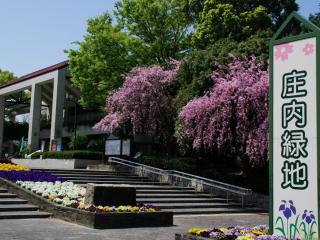
Shonai Ryokuchi Park
A health oriented park that connects people and greenery. Using the Odai Water Reservoir along the Shonai River, this comprehensive park revolves around the theme of "water, greenery, and sunshine." With a central lawn area, it features flower gardens, a rose garden, a bird sanctuary, and more. Facilities like tennis courts, cycling paths, and a skate park are also available. Additionally, the Green Plaza within the park houses a greenhouse and an indoor space for various activities. See More
A health oriented park that connects people and greenery. Using the Odai Water Reservoir along the Shonai River, this comprehens…See More
-
Northern Area
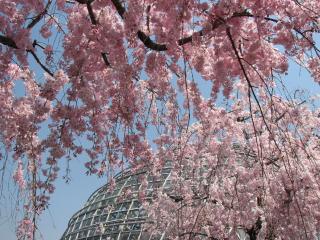
Togokusan Fruits Park
A place of nature and history, Mt. Togoku (198 m) is the tallest mountain in the city, and is surrounded by 70 kofun sites. Togokusan Fruits Park is a multipurpose agricultural park at the base of the mountain that uses the rich natural surroundings. In the park there is an orchard where around 900 trees of 17 species of fruit grow, including peaches, Asian pears, and apples. There is a greenhouse where you can see papaya, jackfruit, and other rare tropical fruits, and a fruithouse where you can see exhibits of various sample fruits. Besides these, the park also has a fishing corner, Japanese-style garden, all-season flower garden, a restaurant, and shops. The park is a famous place for weeping cherry blossom trees in the spring. See More
A place of nature and history, Mt. Togoku (198 m) is the tallest mountain in the city, and is surrounded by 70 kofun sites. Togok…See More
-
Eastern Area
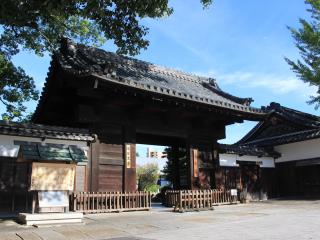
Tokugawaen Garden
Tokugawaen Garden is a Japanese garden with walkways winding around a central pond in the style of major daimyo gardens from the Edo period. A clear stream flows from a waterfall through a ravine and continues to a pond representing the ocean, a sight that symbolically condenses Japan's natural landscape. Furthermore, Tokugawaen is characterized by hilly terrain, transplanted woods, and large rocks appearing from all angles. The overall magnificence of the daimyo garden can be seen through the use of bold changes in composition and the incorporation of a wide variety of elements. People can enjoy the garden throughout the four seasons with beautiful greenery, autumn colors, and flowers such as peonies and irises. See More
Tokugawaen Garden is a Japanese garden with walkways winding around a central pond in the style of major daimyo gardens from the …See More
-

Eastern Area
Nagoya Higashiyama Zoo and Botanical Gardens
Don’t miss the Asian tropical rainforest area opened in 2023 and the new jaguar enclosure! With the largest number of species kept in Japan, from tiny medaka fish to huge Asian elephants, visitors can observe a wide variety of animals. At the Gorilla and Chimpanzee House, home to Shabani, the handsome Western lowland gorilla famous for his good looks, as well as diverse exhibition facilities such as Zoogium (the Asian elephant house) and the koala house, visitors can do more than just observe the animals. There are also abundant educational displays introducing their ecology and habitats, allowing you to learn while having fun. The botanical garden displays about 7,000 species of plants, making use of a large greenhouse and the natural forest of the hilly area. In spring, the Cherry Blossom Corridor is adorned with 1,000 cherry trees of about 100 varieties. In autumn, around 50… See More
Don’t miss the Asian tropical rainforest area opened in 2023 and the new jaguar enclosure! With the largest number of species …See More
-
Eastern Area
Higashiyama Sky Tower
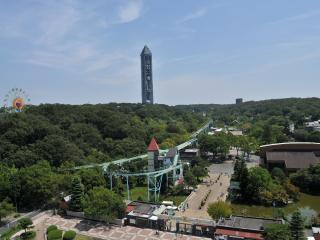
A restaurant with a view on the highest floor Higashiyama Sky Tower stands right next-door to Higashiyama Zoo and Botanical Gardens, and was built in 1988 in celebration of the 100th anniversary of the establishment of Nagoya City. The building is 134 meters tall, but because it stands on an 80-meter tall hill, its observation deck is at a total height of over 200 meters. On clear days, you can see as far as Mt. Ontake, the Suzuka mountains, and the Japanese Alps, and at night there's a romantic night view you can gaze at over dinner that has been selected as a Night View Heritage of Japan and one of Japan's 100 best night views. See More
A restaurant with a view on the highest floor Higashiyama Sky Tower stands right next-door to Higashiyama Zoo and Botanical …See More
-
Eastern Area
Nittaiji (Kakuozan)
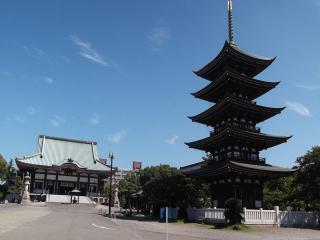
Nittaiji Temple was established in 1904 to enshrine Buddha's ashes and glit bronze received from the king of Thailand in 1900. This is the only non-sectarian Buddhist temple that every sect of Buddhism manages in order. In the temple site, there are a Gandhara style tower, a Hoanto, where the skeletal remains are maintained, a garden called Hassoen, and a tea ceremony room, Soketsuan. The five-story pagoda was built in April 1997. A street fair is held on the 21st day of the month. See More
Nittaiji Temple was established in 1904 to enshrine Buddha's ashes and glit bronze received from the king of Thailand in 1900. Th…See More
-
Eastern Area
Tsuruma Park
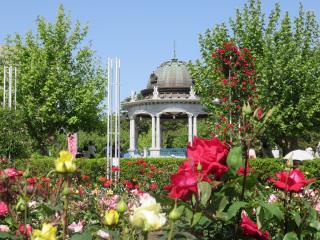
The first Nagoya City municipal park, opened in 1909. Tsuruma Park has a Western-style garden with flower beds and a rose garden spread around a fountain on the west side, and a Japanese-style garden with two ponds—Kochogaike Pond and Shobuike Pond—on the east side. The Japanese-style garden has 750 cherry trees, and starting with the cherry blossoms in April, people gather for flower festivals of all kinds—azaleas, roses, irises, and more—following one after another. The park is also home to Okaya Nagoya Hall, a library, and a playground. Come and experience the relaxing aura of this park beloved by all of Nagoya's citizens. See More
The first Nagoya City municipal park, opened in 1909. Tsuruma Park has a Western-style garden with flower beds and a rose garden …See More
-
Eastern Area
Chikusa Park
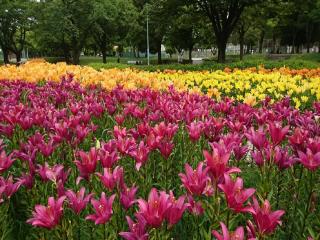
A lush green place to relax and refresh, known as a famous place for lilies Located within a quiet residential area that suddenly opens up into a verdant space, Chikusa Park is also famous for being one of the best places for lilies in Nagoya. Committed to creating a barrier-free place that everybody can use easily, the park is equipped with paths through the park that wheelchairs or strollers can use and multipurpose toilets. See More
A lush green place to relax and refresh, known as a famous place for lilies Located within a quiet residential area that sudde…See More
-
Eastern Area
Peace Park
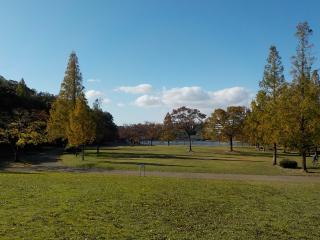
Park located in Chikusa Ward (partly Meito Ward) in the eastern hilly region of Nagoya. It was developed through a large scale urban reorganization project after World War II, and many of Nagoya's cemeteries were relocated within Peace Park. "Heiwa-do" (Hall of Peace) completed in 1964 is a memorial facility commemorating the relocation of war-damaged cemeteries as part of post-war reconstruction efforts. In addition to being known as a prominent cherry blossom viewing spot with the "Sakura no En" (Cherry Blossom Garden), the park features the spacious "Metasequoia Hiroba" (Metasequoia Plaza), the well-designed "Kurashi no Mori" (Forest of Living) area incorporating existing woodlands and a walking trail, creating a serene space where citizens can relax and enjoy nature. See More
Park located in Chikusa Ward (partly Meito Ward) in the eastern hilly region of Nagoya. It was developed through a large scale ur…See More
-
Eastern Area
Showa Museum of Art (Goto Hoon Association Public Interest Incorporated Foundation)
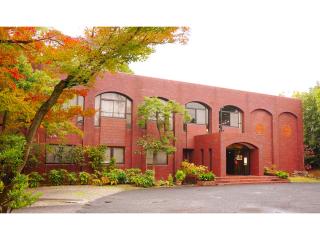
A quiet tea ceremony implement museum with a lush, green garden Showa Museum of Art opened in 1978 as a private-collection museum. This natural-forest garden in a peaceful neighborhood in the east of Nagoya is home to the sukiya-style Nanzanjuso (an Aichi Prefecture designated cultural property), a former samurai villa that was relocated there in 1935. The tea ceremony room within is called Nejikago no Seki, and is opened up for guided visits about 10 times a year (reservations required). See More
A quiet tea ceremony implement museum with a lush, green garden Showa Museum of Art opened in 1978 as a private-collection m…See More
-
Eastern Area
Yokiso
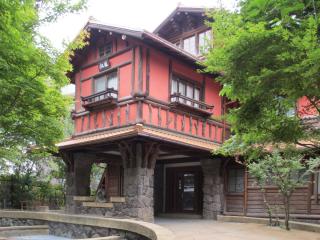
A villa of history and culture Yokiso is a villa constructed from the Taisho to the Showa Era on the hilly land of Kakuozan by the 15th-generation Ito Jirozaemon, the a founder of Matsuzakaya Department Store. This is a representative suburban villa in Nagoya. 1) The north garden has many highlights around a pond. No reservation necessary. 2) A tour to the buildings and the south garden is conducted by a guide. Prior application required. See More
A villa of history and culture Yokiso is a villa constructed from the Taisho to the Showa Era on the hilly land of Kakuozan by…See More
-
Eastern Area
Kuwayama Art Museum (Kuwayama Seizan Association Public Interest Incorporated Foundation)
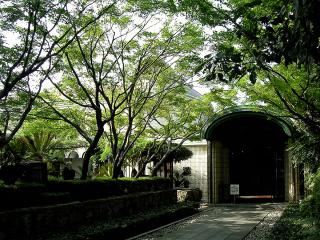
Kuwayama Art Museum was opened in 1981 with the donation of the first curator Seiichi Kuwayama's lifelong collection of artworks and craft pieces. The collection is based around contemporary Japanese paintings and tea ceremony implements from the Kamakura period to the modern day, so the exhibition is changed three times a year, focusing on Japanese paintings in the spring and tea ceremony implements in the fall. The small tea room called Seizan in the garden, the Borokaku hall on the second floor of the main building, the table tea ceremony room on the second floor of the annex building, and the multipurpose hall on the first floor of the annex building are all available for use by the public. See More
Kuwayama Art Museum was opened in 1981 with the donation of the first curator Seiichi Kuwayama's lifelong collection of artworks …See More
-
Eastern Area
Furukawa Art Museum and Tamezaburo Memorial Hall
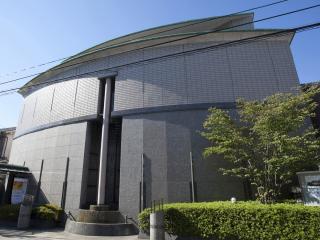
Sukiya-style architecture and art Furukawa Art Museum was opened in November 1991 to display art collected over many years by the first curator, Tamezaburo Furukawa (1890-1993). The art was donated with the wish that it would be enjoyed by many people, not just shut away in a private collection. The collection totals about 2,800 items, with a focus on contemporary Japanese painting. It also includes oil paintings, ceramics, crafts, a 15th century illustrated manuscript, and more. Currently, various educational activities, such as art lectures and workshops, are also available in addition to the exhibition of the collection. In November 1995, Tamezaburo's private residence was opened up to the public as the Tamezaburo Memorial Hall, in accordance with his wish for it to be a place of relaxation for everyone. Six buildings from the Tamezaburo Memorial Hall built in 1934, including … See More
Sukiya-style architecture and art Furukawa Art Museum was opened in November 1991 to display art collected over many years by …See More
-
Eastern Area
Nagoya City Museum
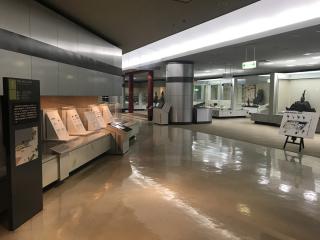
A museum of historical objects from the Owari region, with a focus on Nagoya A museum of historical objects from the Owari region, with a focus on Nagoya. The permanent exhibition hall gives an introduction to history from the Paleolithic Age to the present day. Many of the materials come from 24,000 or so donations from citizens, and there are over 270,000 artifacts in total in the collection. The special exhibition hall holds about five exhibitions every year, including special exhibitions on Cultural Heritage inside and outside Japan, and temporary exhibitions on the history and culture of the Owari region. There are also various events like lectures and workshops planned for visitors to the museum. In front of the museum there is a Japanese-style garden that can be enjoyed in every season. There is an auditorium on the basement 1st floor and a gallery on the 3rd floor that are op… See More
A museum of historical objects from the Owari region, with a focus on Nagoya A museum of historical objects from the Owari reg…See More
-
Eastern Area
Cultural Path Hyakka Hyakuso
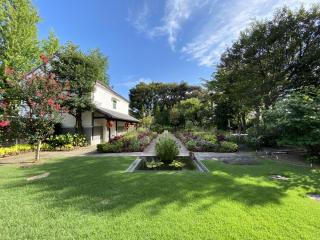
The building, consisting of a study, tea room, and storehouse constructed in the 9th year of Taisho era (1920), underwent renovation, and a multipurpose hall was newly built. The facility was opened in April of the 19th year of Heisei (2007). The garden, named after the "Hyakka Hyakusai Zu Byobu" (Important Cultural Property) held by the Tokugawa Museum, offers enjoyment throughout the four seasons. In the hall, visitors can relish tea and piano performances while gazing at the garden. See More
The building, consisting of a study, tea room, and storehouse constructed in the 9th year of Taisho era (1920), underwent renovat…See More
-
Eastern Area
Cultural Path Shumoku Museum
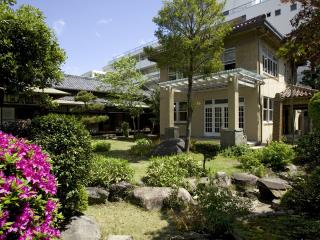
A building that lives on through the changing times, with an unchanging charm The former residence of ceramics merchant Tamesaburo Imoto was built between the end of the Taisho period and the beginning of the Showa period. Japanese- and Western-style buildings are preserved on the grounds, along with two storehouses—one in the west and the other in the east—a tea room, and a garden. The residence is designated as a tangible cultural asset of the City of Nagoya and a building of scenic importance. See More
A building that lives on through the changing times, with an unchanging charm The former residence of ceramics merchant Ta…See More