



- Home
- Sightseeing Spots
Sightseeing Spots
1 - 20 / 36 RESULTS
-
Nagoya Station
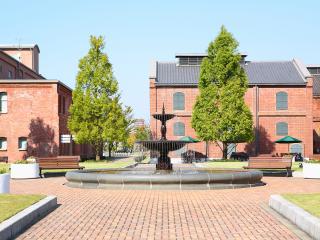
Noritake Garden
Opened in commemoration of the 100th year anniversary of the pottery and ceramics maker Noritake. In this premises filled with lush greenery, you can tour a pottery and ceramics factory and museum displaying the Noritake of the good ol' days, as well as paint on patterns for yourself. You can also enjoy shopping for dishes and other tableware in the Noritake-operated store. There is also a restaurant, cafe, and more using Noritake dishes. All buildings are wheelchair accessible. See More
Opened in commemoration of the 100th year anniversary of the pottery and ceramics maker Noritake. In this premises filled with lu…See More
-
Nagoya Station
NAKAGAWA CANAL DOORS
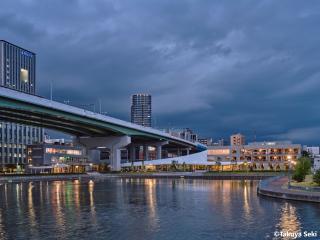
NAKAGAWA CANAL DOORS is a mixed-use waterfront complex located in the Horidome area of the Nakagawa Canal, just south of Nagoya Station. Here, visitors can enjoy a relaxing waterside atmosphere while discovering a different side of Nagoya. Set along the historic Nakagawa Canal, which once played an important role in the city’s logistics network, the complex brings together a hotel, bakery, restaurants, sports facilities, and other amenities. Guests can spend their time however they like, whether dining, staying overnight, enjoying activities, or simply relaxing by the water. The open terraces and waterfront plazas provide the perfect place to unwind while taking in views of the canal. With its calm and leisurely atmosphere, NAKAGAWA CANAL DOORS offers a refreshing contrast to the busy city center around Nagoya Station. Whether you stop by during your sightseeing trip or spend an enti… See More
NAKAGAWA CANAL DOORS is a mixed-use waterfront complex located in the Horidome area of the Nakagawa Canal, just south of Nagoya S…See More
-
Sakae / Fushimi
Hisaya-Odori Park
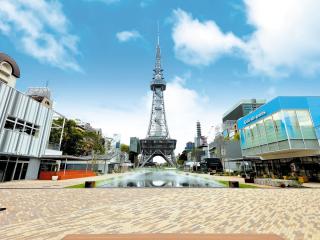
Hisaya-Odori Park reopened in autumn of 2020 as a combined park and shopping space! Featuring popular stores from across Japan, the park has a total of around 40 places to shop and eat (21 of which have opened in Nagoya for the first time). As an everyday place for relaxation and refreshment, the park offers various options for fashion, sports, gourmet food, and more. See More
Hisaya-Odori Park reopened in autumn of 2020 as a combined park and shopping space! Featuring popular stores from across Japa…See More
-
Sakae / Fushimi
Hisaya-odori Garden Flarie
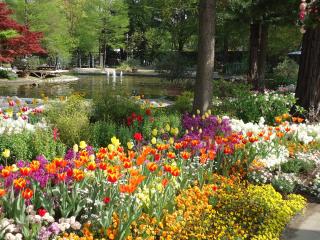
Made of 6 themed gardens which allow you to enjoy the city's greenery, flowers, waterscapes, and more while you are able to take walks, eat, and shop. Events and various classes are also held here. See More
Made of 6 themed gardens which allow you to enjoy the city's greenery, flowers, waterscapes, and more while you are able to take …See More
-
Northern Area
Tonarino
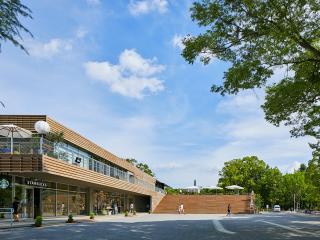
This is the first commercial complex within a park in Nagoya, created in the northern area of Meijo Park on April 27, 2017. With the concept of Meijo Park growing as it develops together with its parkgoers, the complex was named "Tonarino" (roughly meaning "next to") , imagining the idea of the complex being "next to the castle and next to you." Using the four keywords of "cuisine," "bodily health," "green," and "gatherings," places such as a running station, athletic facilities, cafes and restaurants are featured. See More
This is the first commercial complex within a park in Nagoya, created in the northern area of Meijo Park on April 27, 2017. With…See More
-
Northern Area
Shidami Kofungun Experience Museum
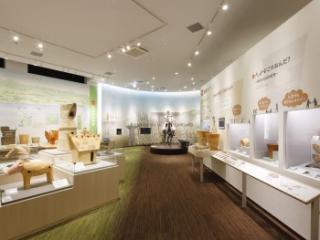
Approximately 200 tumuli were constructed in Nagoya with a third of them (67) confirmed in Kamishidami, Moriyama-ku; and seven--known as the Shidami Kofungun (Shidami Tumulus Group)--are designated national historic landmarks. The Shidami Kofungun occupies a narrow range of 1.7 km from east to west and 1 km from north to south, consists of tumuli built from the beginning of the Kofun (tumulus) period to its end, and is one of the rarest clusters of tumuli in all of Japan. The Shidami Kofungun Historical Area has been maintained to preserve the tumuli. The Shidami Kofungun Historical Area is something like a true-to-life encyclopedia in which you can actually walk around tumuli seeing their various characteristics and differences by the period they were built such as shape and size. The Shidami Kofungun Experience Museum (known as "SHIDAMU" for short) opens in the Shidami Kofungun H… See More
Approximately 200 tumuli were constructed in Nagoya with a third of them (67) confirmed in Kamishidami, Moriyama-ku; and seven--k…See More
-
Northern Area
Meijo Park
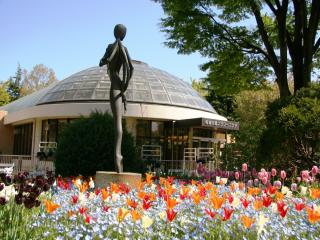
The collective name for the parks surrounding Nagoya Castle, including Ni-no-Maru, San-no-Maru, and up to the northern public park. It is most often used to refer to the park north of the castle. The park has a wide grassy space surrounding Ofukeike Pond that has a stream running through it, a seasonal garden, Meijo Park Flower Plaza, and other areas besides. There are many seasonal exhibitions and events held, as well as regularly held lectures on flower arranging and other topics, gardening consultations, and more. See More
The collective name for the parks surrounding Nagoya Castle, including Ni-no-Maru, San-no-Maru, and up to the northern public par…See More
-
Northern Area
Shonai Ryokuchi Park
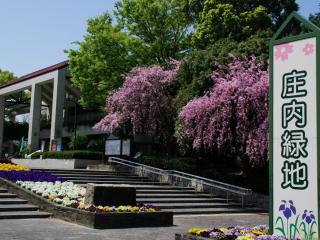
A health oriented park that connects people and greenery. Using the Odai Water Reservoir along the Shonai River, this comprehensive park revolves around the theme of "water, greenery, and sunshine." With a central lawn area, it features flower gardens, a rose garden, a bird sanctuary, and more. Facilities like tennis courts, cycling paths, and a skate park are also available. Additionally, the Green Plaza within the park houses a greenhouse and an indoor space for various activities. See More
A health oriented park that connects people and greenery. Using the Odai Water Reservoir along the Shonai River, this comprehens…See More
-
Northern Area
Shirasawa Valley
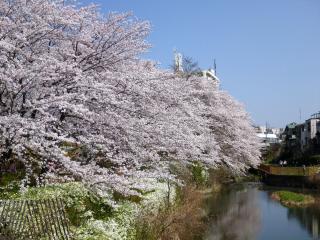
Shirasawa Valley is an artificial valley where a park and a river have been integrated. It's a precious flowing river within the urban environment, surrounded by abundant greenery. You can enjoy the beauty of the four seasons created by nature to the fullest here. See More
Shirasawa Valley is an artificial valley where a park and a river have been integrated. It's a precious flowing river within the …See More
-
Northern Area
Togokusan Fruits Park
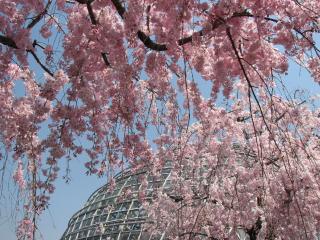
A place of nature and history, Mt. Togoku (198 m) is the tallest mountain in the city, and is surrounded by 70 kofun sites. Togokusan Fruits Park is a multipurpose agricultural park at the base of the mountain that uses the rich natural surroundings. In the park there is an orchard where around 900 trees of 17 species of fruit grow, including peaches, Asian pears, and apples. There is a greenhouse where you can see papaya, jackfruit, and other rare tropical fruits, and a fruithouse where you can see exhibits of various sample fruits. Besides these, the park also has a fishing corner, Japanese-style garden, all-season flower garden, a restaurant, and shops. The park is a famous place for weeping cherry blossom trees in the spring. See More
A place of nature and history, Mt. Togoku (198 m) is the tallest mountain in the city, and is surrounded by 70 kofun sites. Togok…See More
-
Eastern Area
Tokugawaen Garden
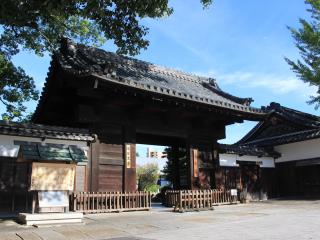
Tokugawaen Garden is a Japanese garden with walkways winding around a central pond in the style of major daimyo gardens from the Edo period. A clear stream flows from a waterfall through a ravine and continues to a pond representing the ocean, a sight that symbolically condenses Japan's natural landscape. Furthermore, Tokugawaen is characterized by hilly terrain, transplanted woods, and large rocks appearing from all angles. The overall magnificence of the daimyo garden can be seen through the use of bold changes in composition and the incorporation of a wide variety of elements. People can enjoy the garden throughout the four seasons with beautiful greenery, autumn colors, and flowers such as peonies and irises. See More
Tokugawaen Garden is a Japanese garden with walkways winding around a central pond in the style of major daimyo gardens from the …See More
-
Eastern Area
Higashiyama Sky Tower
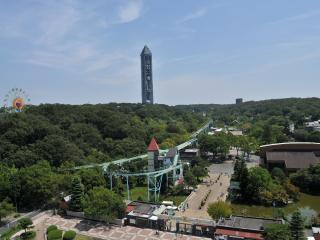
A restaurant with a view on the highest floor Higashiyama Sky Tower stands right next-door to Higashiyama Zoo and Botanical Gardens, and was built in 1988 in celebration of the 100th anniversary of the establishment of Nagoya City. The building is 134 meters tall, but because it stands on an 80-meter tall hill, its observation deck is at a total height of over 200 meters. On clear days, you can see as far as Mt. Ontake, the Suzuka mountains, and the Japanese Alps, and at night there's a romantic night view you can gaze at over dinner that has been selected as a Night View Heritage of Japan and one of Japan's 100 best night views. See More
A restaurant with a view on the highest floor Higashiyama Sky Tower stands right next-door to Higashiyama Zoo and Botanical …See More
-
Eastern Area
Tsuruma Park
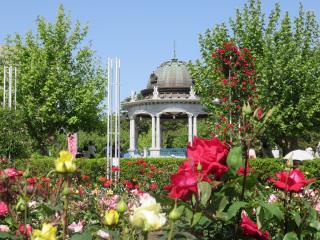
The first Nagoya City municipal park, opened in 1909. Tsuruma Park has a Western-style garden with flower beds and a rose garden spread around a fountain on the west side, and a Japanese-style garden with two ponds—Kochogaike Pond and Shobuike Pond—on the east side. The Japanese-style garden has 750 cherry trees, and starting with the cherry blossoms in April, people gather for flower festivals of all kinds—azaleas, roses, irises, and more—following one after another. The park is also home to Okaya Nagoya Hall, a library, and a playground. Come and experience the relaxing aura of this park beloved by all of Nagoya's citizens. See More
The first Nagoya City municipal park, opened in 1909. Tsuruma Park has a Western-style garden with flower beds and a rose garden …See More
-
Eastern Area
Chikusa Park
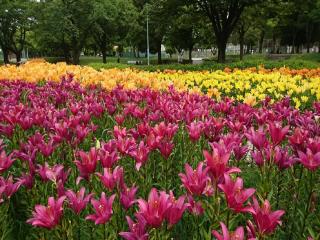
A lush green place to relax and refresh, known as a famous place for lilies Located within a quiet residential area that suddenly opens up into a verdant space, Chikusa Park is also famous for being one of the best places for lilies in Nagoya. Committed to creating a barrier-free place that everybody can use easily, the park is equipped with paths through the park that wheelchairs or strollers can use and multipurpose toilets. See More
A lush green place to relax and refresh, known as a famous place for lilies Located within a quiet residential area that sudde…See More
-
Eastern Area
Yamazaki River
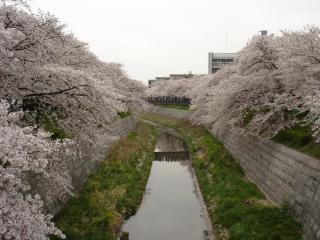
The Yamazaki River, which goes through Mizuho-ward, Nagoya is popular with the inhabitants of the ward. As it is known as the "dankei", the Yamazaki River connotes a valley and there is an area where trees on the steep slope of the bank cover the stream flow. The row of cherry blossom trees is especially widely known and attracts many people. See More
The Yamazaki River, which goes through Mizuho-ward, Nagoya is popular with the inhabitants of the ward. As it is known as the "da…See More
-
Eastern Area
Nagoya City Agricultural Center Dela Farm
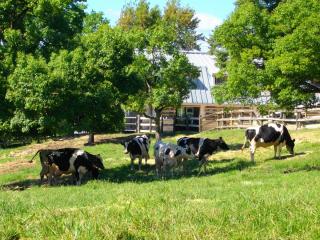
The center was established on April 1, 1965 to promote the development of agriculture in Nagoya as urban agriculture. Today, it is opened to the public as a place for relaxation with a lot of green and water. It is also used as an agriculture park to promote agricultural education and to experience agriculture. Fresh milk and ice cream are available at the milk factory. See More
The center was established on April 1, 1965 to promote the development of agriculture in Nagoya as urban agriculture. Today, it i…See More
-
Eastern Area
Peace Park
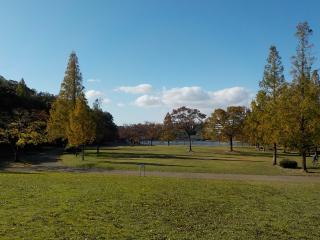
Park located in Chikusa Ward (partly Meito Ward) in the eastern hilly region of Nagoya. It was developed through a large scale urban reorganization project after World War II, and many of Nagoya's cemeteries were relocated within Peace Park. "Heiwa-do" (Hall of Peace) completed in 1964 is a memorial facility commemorating the relocation of war-damaged cemeteries as part of post-war reconstruction efforts. In addition to being known as a prominent cherry blossom viewing spot with the "Sakura no En" (Cherry Blossom Garden), the park features the spacious "Metasequoia Hiroba" (Metasequoia Plaza), the well-designed "Kurashi no Mori" (Forest of Living) area incorporating existing woodlands and a walking trail, creating a serene space where citizens can relax and enjoy nature. See More
Park located in Chikusa Ward (partly Meito Ward) in the eastern hilly region of Nagoya. It was developed through a large scale ur…See More
-
Southern Area
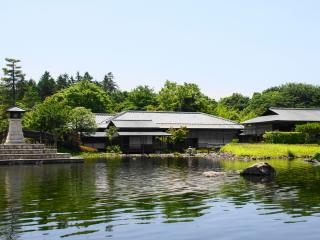
Shirotori Garden
Enjoy a leisurely stroll in a traditional Japanese garden. In the center of the garden is a pond that replicates the Kiso River, originating from the Kiso-Ontakesan flowing into the large sea of Ise Bay. A Japanese tea ceremony house Seiutei is available in the garden to try green tea with Japanese confectionery. See More
Enjoy a leisurely stroll in a traditional Japanese garden. In the center of the garden is a pond that replicates the Kiso River, …See More
-
Southern Area
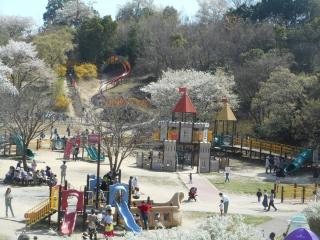
Odaka Ryokuchi Greens
Urban Oasis - located within Nagoya city, this park spans approximately 106 hectares of vast land, including natural forests. It features facilities like a traffic park, tennis courts, and a baseball field, while maintaining a focus on nature. Additionally, there are popular amenities for children such as a lawn area and a dinosaur slide. For adults, there are recommended activities like a 1.5 hour walk around the park's paths or a 30 minute stroll through the bamboo groves. The year-round day campsite is a highly sought-after spot during the tourism seasons of spring and autumn, offering opportunities for barbecue enjoyment. See More
Urban Oasis - located within Nagoya city, this park spans approximately 106 hectares of vast land, including natural forests. It …See More
-
Southern Area
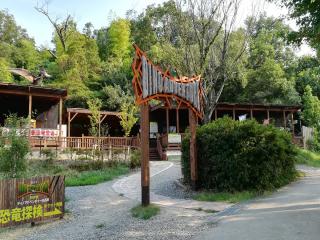
Dino Adventure Nagoya
Dinosaur Exploration at Odaka Greenery! Embark on a dinosaur adventure at Odaka Greenery! Discover 22 different types of dinosaurs along a 900-meter course. Come and see life-sized, awe-inspiring dinosaurs that are sure to leave a lasting impression. See More
Dinosaur Exploration at Odaka Greenery! Embark on a dinosaur adventure at Odaka Greenery! Discover 22 different types of dinosau…See More