


- Home
- Sightseeing Spots
Sightseeing Spots
1 - 9 / 9 RESULTS
-
Nagoya Station
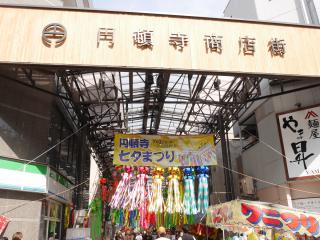
Endoji Shopping Street
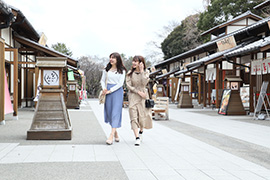
Endoji Shopping Street is located approximately midway between Nagoya Station and Nagoya Castle. It has been a bustling district along with Osu and others since ancient times. It developed as a commercial area along Horikawa and Mino Roads after Tokugawa Ieyasu's crossing of Kiyosu, and it also thrived as a temple and shrine town. The traditional atmosphere of Nagoya's downtown still remains, with both long-established stores founded in the Meiji era and unique new shops lining the street. The Endoji Tanabata Festival, held jointly with Endoji Honmachi Shopping Street every July, is a historic festival that dates back to 1956. Additionally, there is a preserved district called Shikemichi nearby, featuring old storehouses and remaining rooftop deities. See More
Endoji Shopping Street is located approximately midway between Nagoya Station and Nagoya Castle. It has been a bustling district …See More
-
Sakae / Fushimi
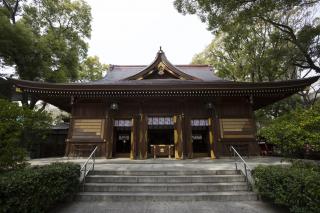
Wakamiya Hachimansha Shrine
The enshrined deities of Wakamiya Hachimansha Shrine are Emperor Nintoku, Emperor Ojin and Takeuchinosukune, a legendary person who served in Japan's first imperial government. Tokugawa Ieyasu designated the shrine to be the main tutelary deity of Nagoya in 1610. In addition to its regular festivals, the Wakamiya Festival held on May 15-16 every year; the harikuyo festival, a memorial service for dull and broken needles; and other festivals and events are held. See More
The enshrined deities of Wakamiya Hachimansha Shrine are Emperor Nintoku, Emperor Ojin and Takeuchinosukune, a legendary person w…See More
-
Sakae / Fushimi
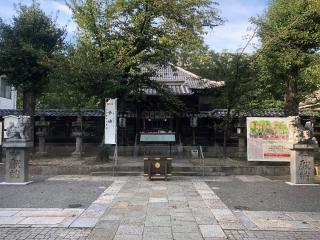
Nagoyatoshogu
Nagoya Toshogu Shrine was established by Tokugawa Yoshinao, the founder of the Nagoya Domain, in the 5th year of the Gen'wa era (1619), enshrining Tokugawa Ieyasu, the founding shogun of the Tokugawa Shogunate, within Nagoya Castle. In the 8th year of the Meiji era (1875), the shrine was relocated to its current location. However, it was tragically destroyed by the bombings during World War II in the 20th year of the Showa era (1945). The current main hall of the shrine is a reconstruction, originally being the memorial hall (otamaya) of Tadayori, the lawful wife of Yoshinao. This structure was moved from Wanchosan Temple to Kenchuji Temple in the 3rd year of the Taisho era (1914) and then transferred to the present site in the 29th year of the Showa era (1954). It is now designated as an Important Cultural Property of Aichi Prefecture. Before the war, the Toshogu Festival used to feat… See More
Nagoya Toshogu Shrine was established by Tokugawa Yoshinao, the founder of the Nagoya Domain, in the 5th year of the Gen'wa era (…See More
-
Northern Area
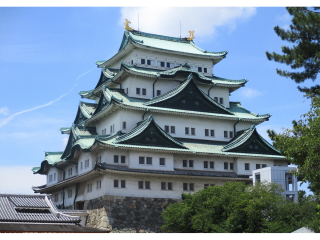
Nagoya Castle
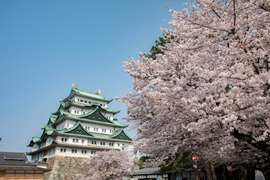
In 1610, Tokugawa Ieyasu began the construction of Nagoya Castle, as a residence for his son Yoshinao. The castle burned down in the war, but in 1959, the five-story main tower keep (approx. 48 meters), with its golden shachi ornaments, and the sub tower keep (approx. 24 meters) were reconstructed. The Nagoya Omotenashi Bushotai greet visitors every day at the main gate, and were the reason behind the bushotai boom across the nation. They also put on an omotenashi performance on weekends and national holidays. In addition, Hommaru Palace was fully opened to the public on June 8, 2018, after the completion of reconstruction work that had taken over 10 years. See More
In 1610, Tokugawa Ieyasu began the construction of Nagoya Castle, as a residence for his son Yoshinao. The castle burned down in …See More
-
Eastern Area
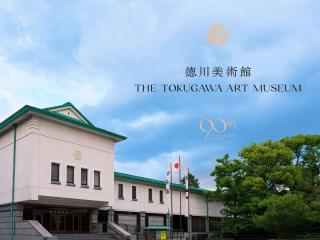
The Tokugawa Art Museum
An art museum of important artifacts from the Owari Tokugawa family, including items inherited from Tokugawa Ieyasu This art museum has a collection of more than 10,000 feudal lord implements, starting with items that once belonged to Tokugawa Ieyasu, and items treasured by the first head of the Owari Tokugawa family, Yoshinao (Ieyasu's ninth son), and his descendants. The museum is proud to hold nine National Treasures, including the Illustrated Scroll of The Tale of Genji, 59 important cultural properties, and many other high quality treasures that have been preserved in good condition. The main hall is registered as a national tangible cultural property. See More
An art museum of important artifacts from the Owari Tokugawa family, including items inherited from Tokugawa Ieyasu This art m…See More
-
Southern Area
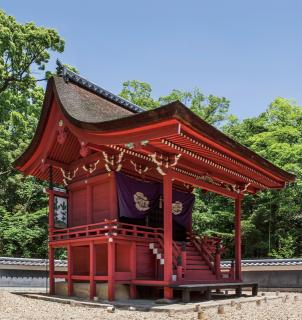
Tobe Shrine
Located in Nagoya city, is the only National Important Cultural Property among the shrines in the city. Its history dates back to the 8th year of the Keicho era (1603) when it was transferred from Tsushima Shrine in Tsushima City, Aichi Prefecture. In the 11th year of the Keicho era (1606), Matsudaira Tadayoshi (the fourth son of Tokugawa Ieyasu) prayed for recovery from illness and miraculously regained his health. To express his gratitude for this divine favor, the main hall, along with the worship hall, festival hall, and corridor, were donated to the shrine. During the Edo period, the Owari Domain annually donated 100 koku of rice to the shrine as part of their support. The shrine's maintenance and repairs were also carried out by the domain's lord. The main hall, a representative example of Momoyama architecture, has been designated as a National Important Cultural Property, whi… See More
Located in Nagoya city, is the only National Important Cultural Property among the shrines in the city. Its history dates back to…See More
-
Outside of Nagoya
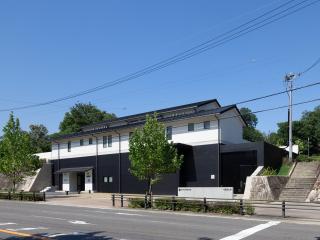
Nagakute Battlefield Memorial Museum
In Tensho 12 (1584), a “decisive battle that would determine the fate of the nation” took place in Nagakute. It was the Battle of Nagakute, fought between the forces of Hashiba Hideyoshi (later Toyotomi Hideyoshi), who would later become the ruler of the realm, and Tokugawa Ieyasu. The Nagakute Battlefield Memorial Museum stands adjacent to the Nagakute Ancient Battlefield, a nationally designated historic site that was the main battleground. Through digital content and historical materials that convey the sense of distance between the battle-related sites and the immediacy of the battlefield, visitors can experience the stage of history firsthand. One of the highlights of our museum is a restored reproduction of the Folding Screen Depicting the Battle of Nagakute (one six-panel screen) (original in the collection of the Tokugawa Art Museum, Tokugawa Reimeikai Foundation). This re… See More
In Tensho 12 (1584), a “decisive battle that would determine the fate of the nation” took place in Nagakute. It was the Battle of…See More
-
Outside of Nagoya
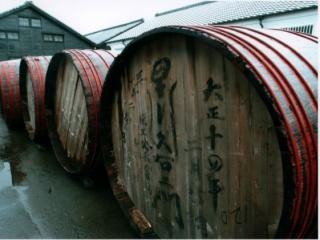
Hachomiso limited Inc.
The factory tour of the company started in January 1983. The number of visitors increased with the broadcast of NHK's period drama, "Tokugawa Ieyasu". At the completion of the historical museum, the factory tour program became a tour of a historical museum and nekasegura (miso storehouse) accompanied by a guide. The factory became well-known to the general public as a factory tour facility by adding a souvenir shop. See More
The factory tour of the company started in January 1983. The number of visitors increased with the broadcast of NHK's period dram…See More
-
Outside of Nagoya
Nagakute Ancient Battlefield Memorial Park
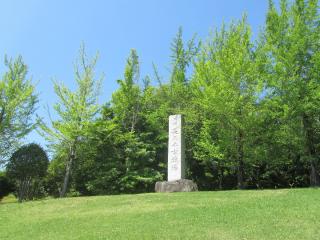
This is the ancient battlefield where Toyotomi Hideyoshi and Tokugawa Ieyasu fought a fierce battle in 1584 and it is designated as national historic site. Today, the site is maintained as Kosenjo Park with mounds of the warlords and materials on the local area. In addition, a stone on which Tokugawa Ieyasu sat and held a war council remains in the Historical Museum located 1 km north of Kosenjo Park. See More
This is the ancient battlefield where Toyotomi Hideyoshi and Tokugawa Ieyasu fought a fierce battle in 1584 and it is designated …See More