


- Home
- Sightseeing Spots
Sightseeing Spots
1 - 20 / 26 RESULTS
-
Nagoya Station
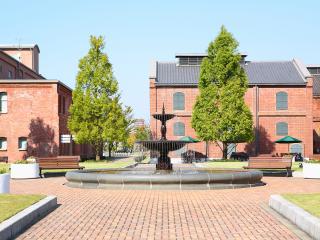
Noritake Garden
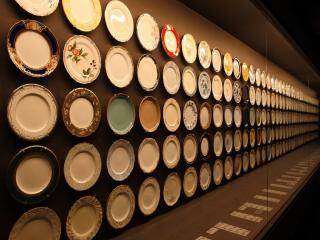
Opened in commemoration of the 100th year anniversary of the pottery and ceramics maker Noritake. In this premises filled with lush greenery, you can tour a pottery and ceramics factory and museum displaying the Noritake of the good ol' days, as well as paint on patterns for yourself. You can also enjoy shopping for dishes and other tableware in the Noritake-operated store. There is also a restaurant, cafe, and more using Noritake dishes. All buildings are wheelchair accessible. See More
Opened in commemoration of the 100th year anniversary of the pottery and ceramics maker Noritake. In this premises filled with lu…See More
-
Nagoya Station
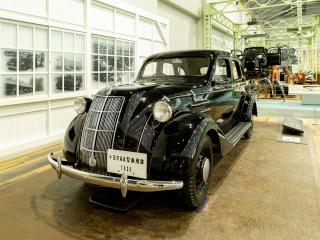
Toyota Commemorative Museum of Industry and Technology
Established by the Toyota group, this museum preserves and uses a factory building used during the Taisho era (1912–1926) which still remains in the birthplace of the Toyota group as an industrial heritage. Within its walls are the Textile Machinery Pavilion and Automobile Pavilion, where you are introduced to and can easily learn about shifts in technologies of the industry, mainly with textile machinery and automobiles the Toyota group has been involved in, through dynamic displays as well as machine demonstrations by operators. Enjoy a full day here with the additional museum shop, restaurant, cafe, and library. See More
Established by the Toyota group, this museum preserves and uses a factory building used during the Taisho era (1912–1926) which s…See More
-
Nagoya Station
The Road of Manufacturing Culture
On the west side of Nagoya Castle, there is an area where traditional crafts such as Nagoya yuzen (a type of kimono dyeing) and Nagoya folding fans have been passed down through generations. It is also known for its concentration of confectionery manufacturers and wholesalers, historical resources like Shikenmichi Road, Endoji Shopping Street, and Mino Road, as well as being the birthplace of modern industries. This area is characterized by a vibrant culture related to "monozukuri" or manufacturing. It is referred to as "The Road of Manufacturing Culture." See More
On the west side of Nagoya Castle, there is an area where traditional crafts such as Nagoya yuzen (a type of kimono dyeing) and N…See More
-
Sakae / Fushimi
FUJI NAGOYA SCIENCE MUSEUM
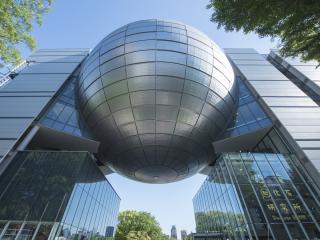
This comprehensive science museum features the "FUJI SKY DOME," one of the world's largest planetarium domes with an inner diameter of 35 meters. In addition to its exterior design that emphasizes the spherical shape of the dome, visitors can enjoy approximately 270 different exhibits, including large-scale, entertaining displays that allow them to experience the wonders of nature, such as a simulated polar environment in a -30 degree Celsius room and a 9-meter-high artificial tornado. See More
This comprehensive science museum features the "FUJI SKY DOME," one of the world's largest planetarium domes with an inner diamet…See More
-
Sakae / Fushimi
Choja-machi Textile Wholesale
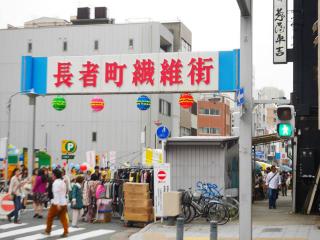
Choja-machi Textile Wholesale District is located in the center of Nagoya. It used to be a major textile wholesaling district in Japan. Today, shops dealing in fibers and textiles, variety goods shops, interior furnishing shops dealing in imported furniture, and cafes operate. See More
Choja-machi Textile Wholesale District is located in the center of Nagoya. It used to be a major textile wholesaling district in …See More
-
Eastern Area
The Higashiyama Water Supply Tower.
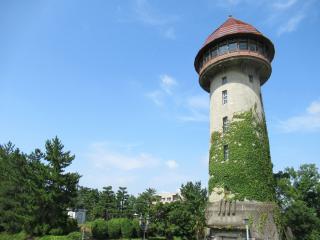
The Higashiyama Water Supply Tower was constructed in March of 1930 and was used as a water distribution tower to supply water to the Kakuozan area in Chikusa Ward for approximately 43 years until 1973. From 1979, it was repurposed as an emergency water supply facility for disaster response. Additionally, in 1983, an observation deck was added, allowing citizens to enjoy the panoramic view of the city. *Please note that due to ongoing construction work, the tower is currently close. See More
The Higashiyama Water Supply Tower was constructed in March of 1930 and was used as a water distribution tower to supply water to…See More
-
Eastern Area
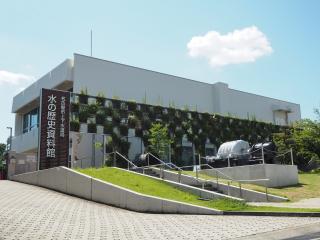
Water History Museum
The Water History Museum is a place where you can easily learn about the history, role, and disaster prevention aspects of Nagoya's water supply and sewerage projects. It was established to commemorate the 100th anniversary of Nagoya City's water supply and sewerage business. The museum houses over 800 exhibits, showcasing historical materials and items related to Nagoya's water supply and sewerage projects. The friendly museum staff offer guided tours and organize seasonal events for visitors to enjoy. By visiting the museum, you can gain a clear understanding of the development and significance of Nagoya's water infrastructure and its essential role in disaster preparedness. If you're interested in learning about the history of Nagoya's water supply and sewerage, as well as its contribution to disaster prevention, the Water History Museum is the perfect place to explore. See More
The Water History Museum is a place where you can easily learn about the history, role, and disaster prevention aspects of Nagoya…See More
-
Southern Area
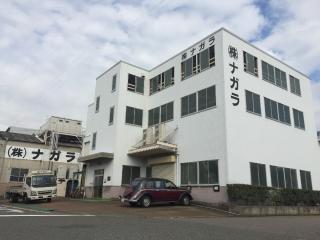
Nagara Corporation Head Office Factory
The company is involved in manufacturing essential molds required for mass production. Pressing metal sheets with these molds results in the production of automotive and household appliance components. During factory tours, visitors can witness the process up close, where molds are set in press machines, and a single metal sheet is instantly transformed into the shape of a component. See More
The company is involved in manufacturing essential molds required for mass production. Pressing metal sheets with these molds res…See More
-
Southern Area
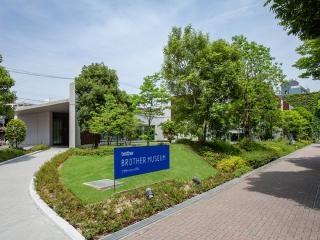
Brother Museum
An experiential and display museum for discovering the lineage of manufacturing Brother Museum has a Communication Hall, Product Zone, History Zone, Sewing Machine Zone, and Library. Such products as inkjet or laser printers, fax machines, home sewing machines, industrial sewing machines, electronic stationery and online karaoke systems are on display. ・The museum is home to one of the finest collections of sewing machines in Japan. The collection includes a replica of the first sewing machine in the world, antique sewing machines from overseas, iconic Brother machines, and more. ・Have fun with the latest Brother products. Try out the latest Brother technology by making sewing machine embroidery, creating name stickers and paper crafts, printing photos, and more. See More
An experiential and display museum for discovering the lineage of manufacturing Brother Museum has a Communication Hall, Pro…See More
-
Southern Area
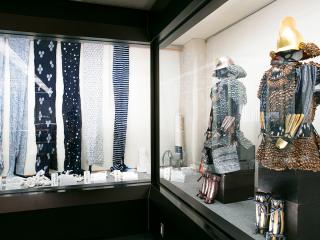
Arimatsu Narumi Shibori Hall
The Arimatsu Narumi Shibori Hall is dedicated to preserving and promoting the unique tradition of shibori (tie-dyeing) in this region. It showcases a wide range of shibori products and materials of historical and artistic value, aiming to preserve and develop this craft. Additionally, Arimatsu is renowned for its scenic beauty, being considered the most picturesque stop among the Tokaido Fifty-Three Stations. The town's traditional streetscape, depicted in ukiyo-e prints by famous artists like Hokusai and Hiroshige, still flourishes today, nurturing the culture of shibori and continuing to transmit the beauty of Japan to the present day. See More
The Arimatsu Narumi Shibori Hall is dedicated to preserving and promoting the unique tradition of shibori (tie-dyeing) in this re…See More
-
Southern Area
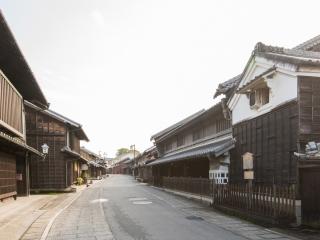
Historic Townscapes of Arimatsu
The village was established in 1608 between the post towns of Chiryu and Narumi on the Old Tokaido Road, through encouragement by the ruling clan. The traditional Arimatsu-shibori tie-dyeing of this area is said to have been invented by the first immigrant to the village, Takeda Shokuro, and the village prospered along with the tie-dyeing industry. Arimatsu lies along about 800 gently bending meters of the Tokaido Road. The townscape's relatively relaxed atmosphere has been preserved, with many wide-plot tie-dyeing stores, gates, and fences. See More
The village was established in 1608 between the post towns of Chiryu and Narumi on the Old Tokaido Road, through encouragement by…See More
-
Port
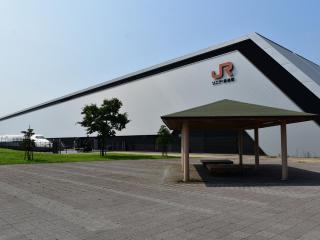
SCMAGLEV and Railway Park
SCMAGLEV and Railway Park is a museum filled with dreams and memories of each generation. Opened March 14, 2011, this establishment introduces the evolution of high-speed railway technology through train car exhibits from local trains to the Superconducting Maglev train with a focus on the Tokaido Line bullet trains. You can learn about the workings of railroads and the progress of their histories through things like detailed railroad dioramas and bullet train driving simulators. See More
SCMAGLEV and Railway Park is a museum filled with dreams and memories of each generation. Opened March 14, 2011, this establis…See More
-
Port
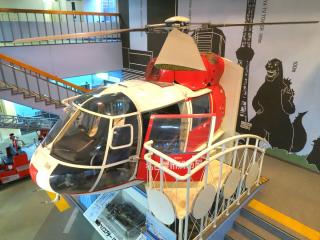
Nagoya City Port Disaster Prevention Center
The Nagoya City Port Disaster Prevention Center is a facility where visitors can learn about disasters and disaster preparedness through various exhibits, workshops, and virtual experiences. Visitors can experience simulated earthquakes, typhoons, tsunamis, and smoke evacuation scenarios using 3D technology. The center aims to raise awareness about the realities of disasters and teach effective ways to respond and cope with emergencies. See More
The Nagoya City Port Disaster Prevention Center is a facility where visitors can learn about disasters and disaster preparedness …See More
-
Outside of Nagoya
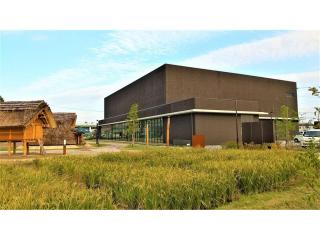
Aichi Asahi Site Museum
This museum of ancient civilization introduces the Asahi Ruins, the largest Yayoi-period ruins in Japan, located in Aichi Prefecture. The Asahi Ruins are one of the largest settlements in Japan, which existed from the early Yayoi period to the early Kofun period (6th century BC to 4th century AD). The settlement flourished as the center of life and culture in the region and played an important role in connecting the Yayoi cultures of eastern and western Japan. Investigations to date have revealed that the ruins stretch 1.4 km from east to west and 0.8 km from north to south, with an estimated area of 800 thousand to one million square meters. Residences were built on slight elevations on the north and south sides of a valley that flows from northeast to southwest. Graves were built to surround the residential area with large burial areas particularly widespread on the east and west … See More
This museum of ancient civilization introduces the Asahi Ruins, the largest Yayoi-period ruins in Japan, located in Aichi Prefect…See More
-
Outside of Nagoya
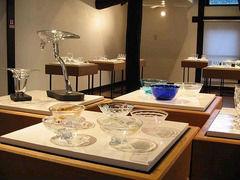
The New Century Craft Building
The museum consists of three buildings. Exhibition Building is a full-scale ceramic gallery established by reconstructing the former Seto Pottery Museum. Studio is equipped with facilities to create ceramic art and glass art. Trainees are accepted at the Studio, where younger members who will lead the next generation are developed. Visitors can see the actual production. " The Communication Building was made by remodeling a former pottery factory and it has positive note. A cafe where customers can have tea with the cup they choose is on the 1st floor. The 2nd floor is, in contrast to the Exhibition Building, galleries with relaxed atmosphere. Ceramic works, mainly of the ceramic artists, are displayed and sold. Visitors can experience making ceramics at the Studio. See More
The museum consists of three buildings. Exhibition Building is a full-scale ceramic gallery established by reconstructing the for…See More
-
Outside of Nagoya
Obara Paper Art Museum "Washi no Furusato"
The works of Fujii Tatsuyoshi who established Obara Paper and the works of other Obara Paper artists are exhibited at the exhibition hall. Visitors can experience making Japanese paper where they can gain hints on producing Obara Paper. See More
The works of Fujii Tatsuyoshi who established Obara Paper and the works of other Obara Paper artists are exhibited at the exhibit…See More
-
Outside of Nagoya
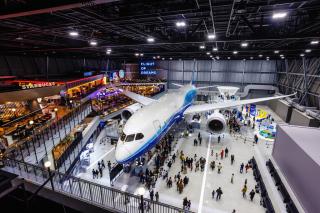
FLIGHT OF DREAMS
FLIGHT OF DREAMS is an airplane theme park built around the exhibition of the first-ever Boeing 787. There are two main areas: FLIGHT PARK, where you can see the full power of the plane from up close, and the shopping area SEATTLE TERRACE. ◆FLIGHT PARK While some content requires a fee, admission is free of charge. There is an Exhibition Area where you can learn about aviation and airports in a fun matter through movies and panels, and a Kids Area where children can play with playground equipment close to the real airplane (for children ages of 0–12). ◆SEATTLE TERRACE Themed on Seattle, the birthplace of Boeing, visitors can enjoy a bite to eat as if they were really there. ◆LUXURY FLIGHT An authentic flight simulator is available for you to try as well as aviation goods available for sale. Aviation merchandise is entails Boeing products such as toys and a variety of differe… See More
FLIGHT OF DREAMS is an airplane theme park built around the exhibition of the first-ever Boeing 787. There are two main areas: FL…See More
-
Outside of Nagoya
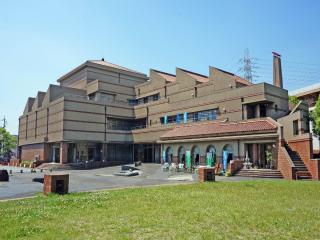
Kawara Museum of Takahama City, a Hometown of Ceramics
Japan's only kawara (roof tile) art museum See More
Japan's only kawara (roof tile) art museumSee More
-
Outside of Nagoya
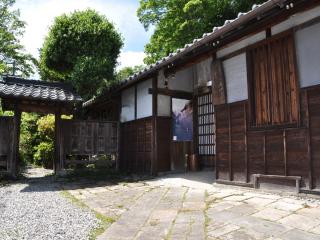
Kamagaki-no-komichi Museum
The house of a potter built in Meiji Era is restored and used as a museum. Tools for ceramic manufacturing and the products manufactured in the Meiji Era are exhibited. See More
The house of a potter built in Meiji Era is restored and used as a museum. Tools for ceramic manufacturing and the products manuf…See More
-
Outside of Nagoya
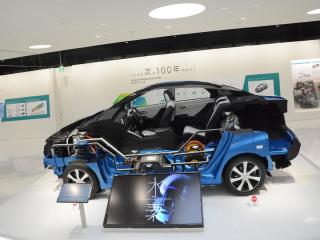
Toyota Hall
Realization of an enriched society through automobiles, as sought by the Toyota Motor Company, and leading-edge automobile manufacturing are shown with exhibitions and screen images. Visitors can see the progress of hybrid cars, a multidimensional approach to manufacturing an ultimate eco-car, and manufacturing of high quality automobiles by the Toyota Production System. Visitors can also have a close-up view of the "partner robot" that plays a trumpet just like a human being and "i-unit", the personal mobility of the future. See More
Realization of an enriched society through automobiles, as sought by the Toyota Motor Company, and leading-edge automobile manufa…See More