



- Home
- Sightseeing Spots
Sightseeing Spots
21 - 38 / 38 RESULTS
-
Southern Area
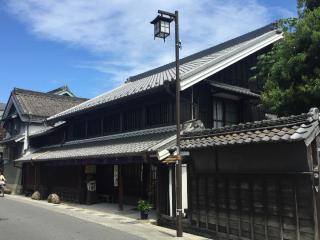
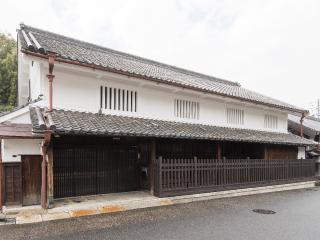
akahama Family Residence (Arismatsu)
The "Nakahama Family Residence" is a "Nationally Registered Tangible Cultural Property." It was built during the Meiji period and belonged to the renowned shibori (tie-dyeing) merchant, "Yamada Yosaburo," as evidenced by the "Yama-Yo" roof tiles. Since 2004, the Nakahama family has continued their shibori business at this location. The property consists of the main house, storehouse, gate fence, and integrated stone walls, with turtle- hell masonry seen in the surrounding earth walls. See More
The "Nakahama Family Residence" is a "Nationally Registered Tangible Cultural Property." It was built during the Meiji period and…See More
-
Southern Area
Tanahashi Family Residence (Arimatsu)
Nationally Registered Tangible Cultural Property See More
Nationally Registered Tangible Cultural PropertySee More
-
Southern Area
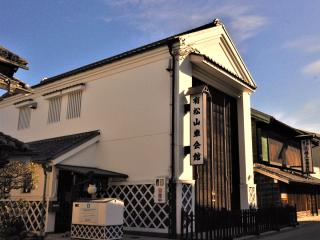
Arimatsu Dashi Float Hall
The hall displays three floats of Arimatsu (Hoteisha, Karakosha, and Jingukogosha) alternately, one each year, and introduces the area's festival culture. Just as the townscape has kept its calm Edo period charm over the last 400 years since the Keicho era, these floats are also important historical artifacts that are still in use today. Anyone can participate in pulling the floats during the annual fall festival on the first Sunday of October. Please come and visit! See More
The hall displays three floats of Arimatsu (Hoteisha, Karakosha, and Jingukogosha) alternately, one each year, and introduces the…See More
-
Southern Area
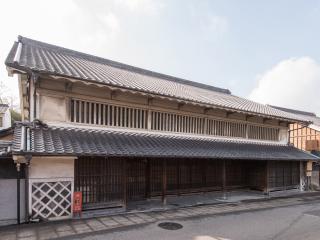
Oka Family Residence (Arimatsu)
A designated cultural property of Nagoya. Important townscape building. Built in late Edo period, Okatei is a building in which substantial architectural style is well preserved and it is the biggest residence in Arimatsu. The residence consists of a main house, a workplace and two warehouses. Its well-preserved architectural styles include renjikoshi, a kind of lattice window; namakokabe, a wall with square tiles jointed with raised plaster; mushikomado, a type of window containing an insect cage-like lattice; and nurigome-zukuri, a process used to build a fire-resistant wall. The wave-shaped fire-resistant plaster wall under eaves is a prominent feature of the house. See More
A designated cultural property of Nagoya. Important townscape building. Built in late Edo period, Okatei is a building in which s…See More
-
Southern Area
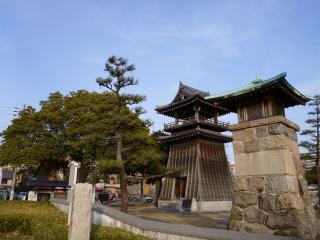
Miya no Watashi Park
Miya no Watashi Park is a historic park built from a wharf of Miya-juku, one of the 53 post stations of the Tokaido. The route from Miya-juku to Kuwana-juku was the only sea route in the whole Tokaido. The sea route was called Shichiri no Watashi based on the distance of the route. See More
Miya no Watashi Park is a historic park built from a wharf of Miya-juku, one of the 53 post stations of the Tokaido. The route fr…See More
-
Southern Area
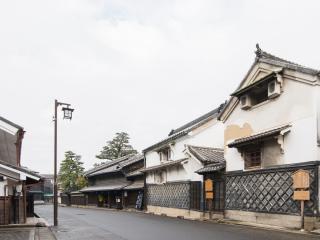
Hattori Family Residence (Arimatsu)
Registered Important Cultural Property of Aichi Prefecture. This is a mansion established in the late Edo era and consisting of one main building, one guest house, a gate, mon-nagaya (houses in a row with the gate), and six storehouses in the large site. Fire protection technology of those days is well preserved with the following architectural styles: renjikoshi, a kind of lattice window; namakokabe, a wall with square tiles jointed with raised plaster; mushikomado, a type of window containing a lattice like an insect cage; nurigome-zukuri, a process used to build a fire-resident wall; and udatsu, a short pillar set on a beam to support a ridgepole. House of Hattori is a representative building of Arimatsu. See More
Registered Important Cultural Property of Aichi Prefecture. This is a mansion established in the late Edo era and consisting of o…See More
-
Southern Area
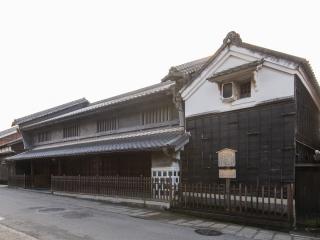
Kozuka Family Residence (Arimatsu)
A designated cultural property of Nagoya. Important townscape building. The House of Kozuka was built after the great fire of Tenmei occurred in Nagoya in 1784. The house consists of one main house, two storehouses, and one tea ceremony room. The following architectural styles are remarkably well preserved: renjikoshi, a kind of lattice window; namakokabe, a wall with square tiles jointed with raised plaster; mushikomado, a type of window containing lattice like an insect cage; nurigome-zukuri, a process used to build a fire-resistant wall; and udatsu, a short pillar set on a beam to support a ridgepole. A ring to tie horses that remains on the outer pillar recalls to mind the old days. See More
A designated cultural property of Nagoya. Important townscape building. The House of Kozuka was built after the great fire of Ten…See More
-
Southern Area
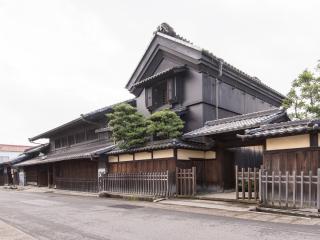
Takeda Family Residence (Arimatsu)
One of Nagoya City's designated cultural properties and buildings of scenic importance A well-preserved tie-dyeing merchant's townhouse-style residence, and one of the landmark buildings of Arimatsu on the Tokaido Road. The residence consists of the main house, three storehouses, one tea room, and a 26-mat shoin-zukuri tatami drawing room. The walls on the second floor are painted with black plaster to make them fire-resistant, and Meiji period lamps remain on the eaves. These meticulously preserved details offer a glimpse of a prosperous merchant house of that time. See More
One of Nagoya City's designated cultural properties and buildings of scenic importance A well-preserved tie-dyeing merchant's to…See More
-
Southern Area
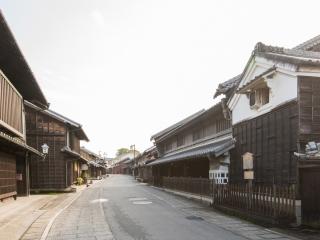
Historic Townscapes of Arimatsu
The village was established in 1608 between the post towns of Chiryu and Narumi on the Old Tokaido Road, through encouragement by the ruling clan. The traditional Arimatsu-shibori tie-dyeing of this area is said to have been invented by the first immigrant to the village, Takeda Shokuro, and the village prospered along with the tie-dyeing industry. Arimatsu lies along about 800 gently bending meters of the Tokaido Road. The townscape's relatively relaxed atmosphere has been preserved, with many wide-plot tie-dyeing stores, gates, and fences. See More
The village was established in 1608 between the post towns of Chiryu and Narumi on the Old Tokaido Road, through encouragement by…See More
-
Western Area
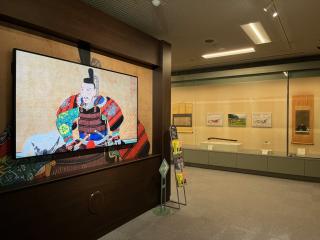
Nagoya City Hideyoshi Kiyomasa Memorial Hall
The exhibition items are mainly related to the acts of Toyotomi Hideyoshi and items regarding the era, from the period when Toyotomi Hideyoshi served under Oda Nobunaga until when the Toyotomi Family was defeated at the Summer Battle of Osaka Castle. The exhibitions regarding warlords born in the Owari region including Kato Kiyomasa are also held. Several video programs are available to visitors. See More
The exhibition items are mainly related to the acts of Toyotomi Hideyoshi and items regarding the era, from the period when Toyot…See More
-
Outside of Nagoya
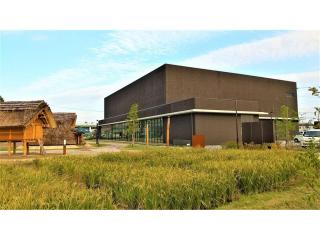
Aichi Asahi Site Museum
This museum of ancient civilization introduces the Asahi Ruins, the largest Yayoi-period ruins in Japan, located in Aichi Prefecture. The Asahi Ruins are one of the largest settlements in Japan, which existed from the early Yayoi period to the early Kofun period (6th century BC to 4th century AD). The settlement flourished as the center of life and culture in the region and played an important role in connecting the Yayoi cultures of eastern and western Japan. Investigations to date have revealed that the ruins stretch 1.4 km from east to west and 0.8 km from north to south, with an estimated area of 800 thousand to one million square meters. Residences were built on slight elevations on the north and south sides of a valley that flows from northeast to southwest. Graves were built to surround the residential area with large burial areas particularly widespread on the east and west … See More
This museum of ancient civilization introduces the Asahi Ruins, the largest Yayoi-period ruins in Japan, located in Aichi Prefect…See More
-
Outside of Nagoya
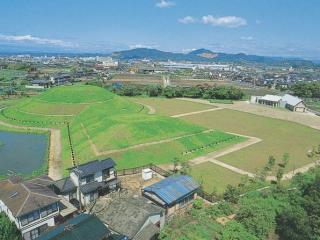
Aotsuka kofun and historic site park
Aotsuka kofun is a keyhole-shaped Japanese burial mound located in the southern part of Inuyama City, on the ridge of the diluvial upland 31 meters above sea level. The total length of the burial mound is 123m. The height of the circular portion is 12m and that of square-shaped portion is 7m. This burial mound is the second largest tomb in Aichi Prefecture. There are exhibtion room and a lounge at the guidance facility. See More
Aotsuka kofun is a keyhole-shaped Japanese burial mound located in the southern part of Inuyama City, on the ridge of the diluvia…See More
-
Outside of Nagoya
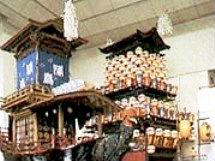
Inuyama Artcraft Museum / Karakuri Exhibition Room
Materials regarding the history and cultural heritage of a castle town, Inuyama, are exhibited. The floats of the Inuyama Festival, marionettes, and artifacts kept in Inuyama are also exhibited. Historical documents for the compilation of a history of Inuyama are preserved. The studio of a puppet master, the 9th Tamaya Shobe, is installed and marionette manufacturing is demonstrated every Friday and Saturday, from 10:00 a.m. to 4:00 p.m. A painting by Tsuda Teizo (the 13th Tsuda Sukezaemon) focusing on a marionette named "bishu kikogenso" is exhibited. See More
Materials regarding the history and cultural heritage of a castle town, Inuyama, are exhibited. The floats of the Inuyama Festiva…See More
-
Outside of Nagoya
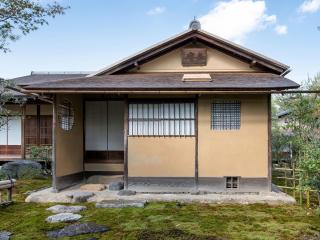
Japanese Garden Urakuen
The Tea House Joan is a tea room constructed by Oda Urakusai, a prominent tea master born in the historical province of Owari during the early days of the tea ceremony. Designated as a national treasure in 1936, the structure is important to the history of tea ceremony culture. The study relocated at the same time as Joan is designated as an important cultural property. In addition, there are a tea ceremony room called Genan which Oda Urakusai built in Osaka’s Tenma neighborhood and was restored based on old drawings, a newly built tea ceremony room called Koan, and a four-season garden. See More
The Tea House Joan is a tea room constructed by Oda Urakusai, a prominent tea master born in the historical province of Owari dur…See More
-
Outside of Nagoya
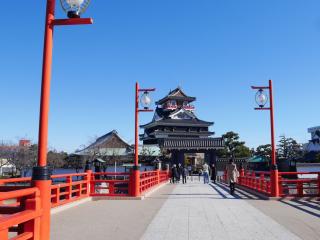
Kiyosu Castle
In the 12th year of the Ōei era (1405) during the Muromachi period, Spwa Yoshi Shige, who held the position of shugo (military governor) of Owari Province, is said to have built the origins of Kiyosu Castle as a separate enclosure to the shugo's residence located in Shimotsu Castle (Inazawa City). In the first year of the Kōji era (1555), Oda Nobunaga entered Kiyosu Castle from Nakanogano Castle and achieved victory in the Battle of Okehazama in the third year of the Eiroku era (1560). This marked the castle as the starting point for his quest to unify the country. During the early Edo period, the castle town's population reached 60,000 to 70,000 people, earning it the title of "a major castle town in the Kantō region." Kiyosu Castle was also praised as one of the "great castles of the nation." The present-day Kiyosu Castle Tenshukaku (main keep) was built in the first year of the Heise… See More
In the 12th year of the Ōei era (1405) during the Muromachi period, Spwa Yoshi Shige, who held the position of shugo (military go…See More
-
Outside of Nagoya
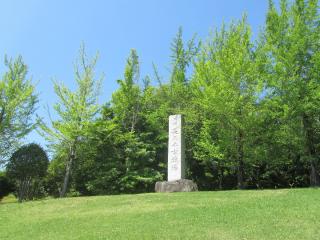
Nagakute Ancient Battlefield Memorial Park
This is the ancient battlefield where Toyotomi Hideyoshi and Tokugawa Ieyasu fought a fierce battle in 1584 and it is designated as national historic site. Today, the site is maintained as Kosenjo Park with mounds of the warlords and materials on the local area. In addition, a stone on which Tokugawa Ieyasu sat and held a war council remains in the Historical Museum located 1 km north of Kosenjo Park. See More
This is the ancient battlefield where Toyotomi Hideyoshi and Tokugawa Ieyasu fought a fierce battle in 1584 and it is designated …See More
-
Outside of Nagoya
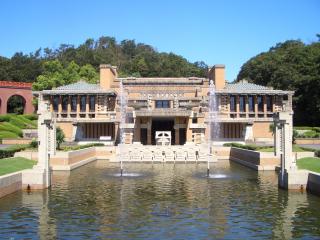
Museum Meiji-mura
Preserve and pass on true value. The Museum, Meiji-Mura was opened on March 18, 1965 as an open-air museum for preservation and exhibition of architecture of the Meiji Era. 68 buildings moved to this 100,000 m2 hilly land with a beautiful landscape near Inuyama City and by Irukaike Pond, including national treasures like St. John's Church. In Meiji-Mura, a steam locomotive and streetcars of Kyoto are maintained for actual use and are used for transport in Meiji-Mura. See More
Preserve and pass on true value. The Museum, Meiji-Mura was opened on March 18, 1965 as an open-air museum for preservation an…See More
-
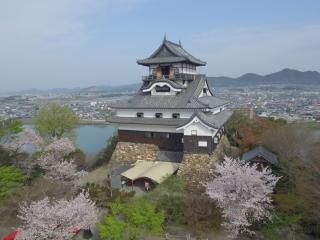
Outside of Nagoya
Inuyama Castle
The castle tower looks three stories tall, but has four stories inside, plus two basement floors. It was built by Oda Yojiro Nobuyasu in 1537, and is believed to be the oldest type of Japanese castle. It is designated as a National Treasure. The Naruse family lived in the castle since it was bestowed upon them by the second shogun Hidetada in the Edo period until the end of the period, and until 2004, it was one of only a few privately owned castles in Japan. Possession of the castle has now been transferred to the Inuyama Castle Hakutei Bunko, and it is managed by Inuyama City and visited by many people who come to the castle See More
The castle tower looks three stories tall, but has four stories inside, plus two basement floors. It was built by Oda Yojiro Nobu…See More