



- Home
- Special Features
- Let’s explore the history of Nagoya through the themes of “Kofun” and “Ancient Times”!
Special Features
Let’s explore the history of Nagoya through the themes of “Kofun” and “Ancient Times”!


Index
◆Introduction
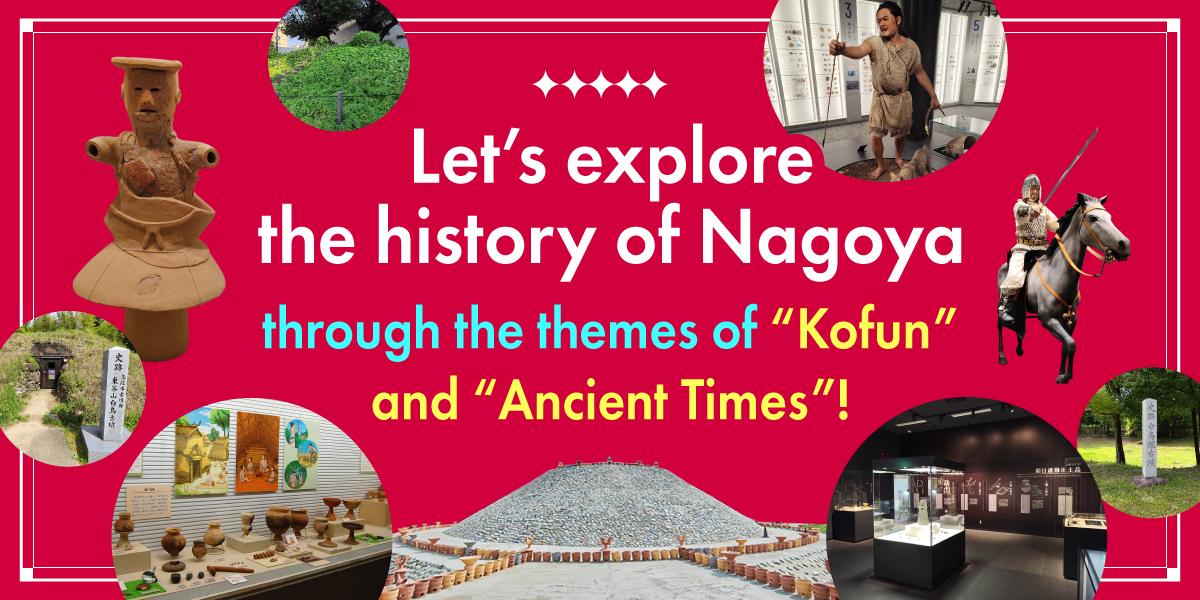
Nagoya is strongly associated with the urban image of modern department stores and office buildings. But if you venture a little into the suburbs, you’ll find places rich in nature, dotted with kofun burial mounds and ancient historic sites! You can stop by by car or public transportation, or combine them with the classic sightseeing spots for an even more enjoyable trip. Let me, a self-proclaimed “Nagoya Kofun Concierge,” guide you to these wonderful places!
■A request from the self-proclaimed “Nagoya Kofun Concierge”
Kofun are someone’s graves, and they embody prayers for those buried there. Along with a sense of fun and excitement, I would be grateful if you could visit them with respect for the deceased.
■A request from the self-proclaimed “Nagoya Kofun Concierge”
Kofun are someone’s graves, and they embody prayers for those buried there. Along with a sense of fun and excitement, I would be grateful if you could visit them with respect for the deceased.
◆Facilities in Nagoya related to kofun and ancient history
Experience It! Shidami Kofun Group Museum
Within Nagoya City, about 200 kofun burial mounds were built, and 66 of them—about one-third—have been confirmed in Kamishidami, Moriyama Ward. Of these, seven have been designated a National Historic Site under the name “Shidami Kofun Group.” Preserved and developed to protect and make use of this exceptionally rare cluster of burial mounds—where kofun were continuously constructed over a long period, from the early to the final stage of the Kofun period (early 4th century to late 7th century), within a narrow area measuring 1.7 km east to west and 1 km north to south—is the “Historical Village: Shidami Kofun Group.”
The “Historical Village: Shidami Kofun Group” can also be described as a “real-life illustrated kofun encyclopedia,” where visitors can actually walk around and explore burial mounds with a wide variety of characteristics, including differences in shape, size, and period of construction.
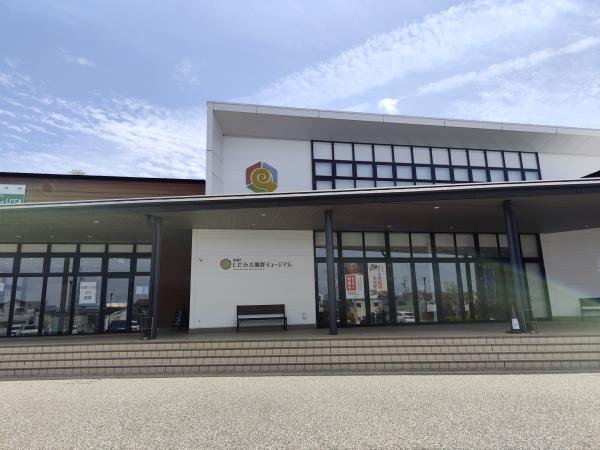
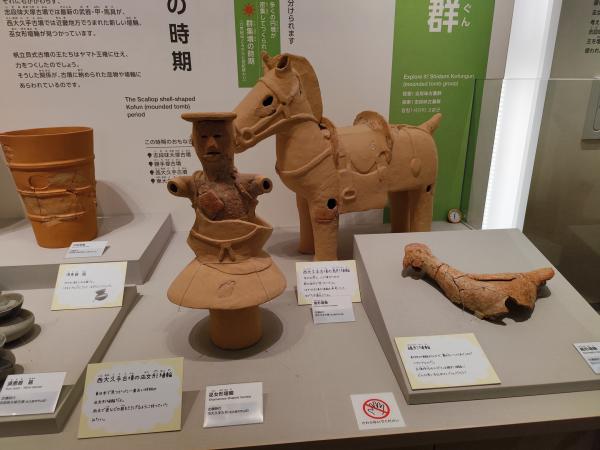
The “Experience! Shidami Kofun Group Museum” (nickname: SHIDAMU) is a hands-on facility where visitors can “experience” the Kofun period through exhibits of grave goods and haniwa excavated from the Shidami Kofun Group, as well as ancient-themed activities such as trying on ancient costumes, making magatama beads, and fire-starting.
By the way, you can also purchase a goshuin-style mound seal for Shiratorizuka Kofun.
■ Recommended Highlights!
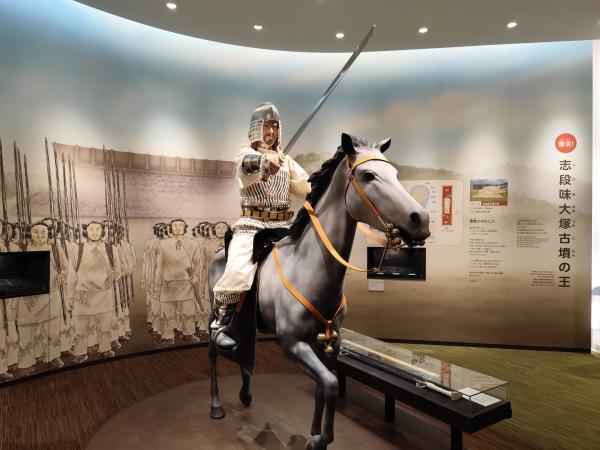
Here, you can encounter the mysterious shrine maiden-shaped haniwa that inspired Shidamiko-chan, SHIDAMU’s mascot character, as well as the valiant “King of Shidami Otsuka Kofun.”
The history of the Shidami Kofun Group moves through the era of keyhole-shaped kofun, the era of scallop-shaped kofun, and then the era of clustered burial mounds... After learning about all this, head out and explore the kofun for yourself!
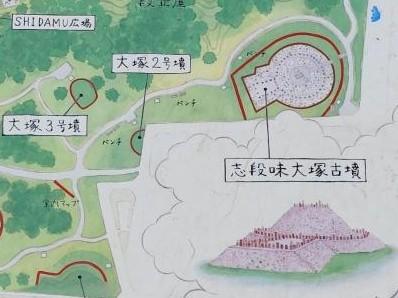
The moment you step out of SHIDAMU, right in front of you is the “Otsuka-Okute Kofun Area,” home to the especially impressive “Shidami Otsuka Kofun.” If you go a little farther, you’ll find sites such as “Shiratorizuka Kofun,” “Togokusan Shiratori Kofun,” and “Kattezuka Kofun.” And if you’re up for a bit more of a climb up Mt. Togokusan, distinctive kofun such as “Owaribe Shrine Kofun,” “Nakayashiro Kofun,” and “Minamiyashiro Kofun” will be waiting to welcome you!
[Stopover Spot No. 1]
Shidami Otsuka Kofun (Shidami Otsuka Ancient Burial Mound)
■Recommended Highlights!
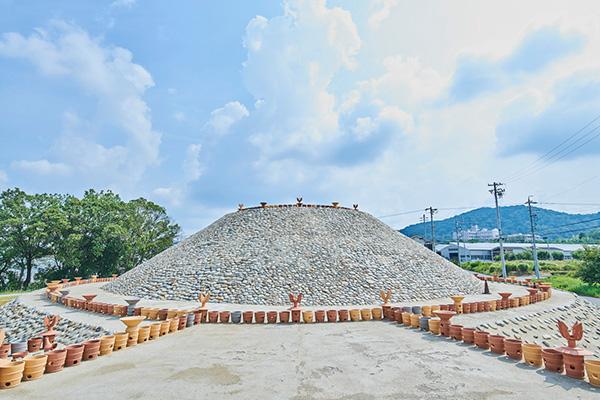
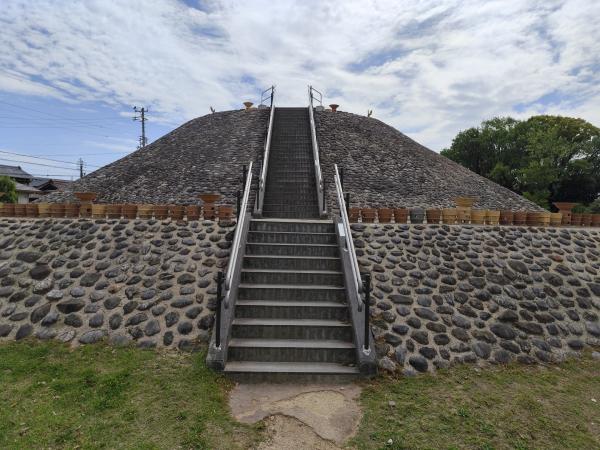
Together with Shidamyu, this kofun is a symbolic presence of the “Historic Village Shidami Kofun Group.” It is a scallop-shaped burial mound about 51 meters long, built in the latter half of the 5th century. Scallop-shaped kofun, with their short front section (the square part), were considered lower in rank than the more famous keyhole-shaped kofun. Even so, the latest weapons and armor of the time were excavated here. It is said that the person buried here was a king who served the Yamato court.
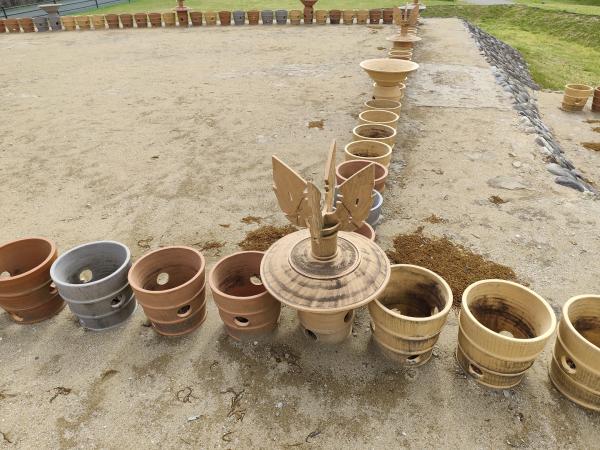
When you see it up close, its size is overwhelming... Cylindrical haniwa and chicken-shaped haniwa are lined up, recreating the scene as it would have appeared at the time. You can also clearly see the stage-like area called the “tsukuridashi,” where rituals were performed, so be sure to take a look... You can even climb to the top and “experience” the height of the kofun for yourself!
*From time to time, historical cosplay events are also held here!*
[Stopover Spot No. 2]
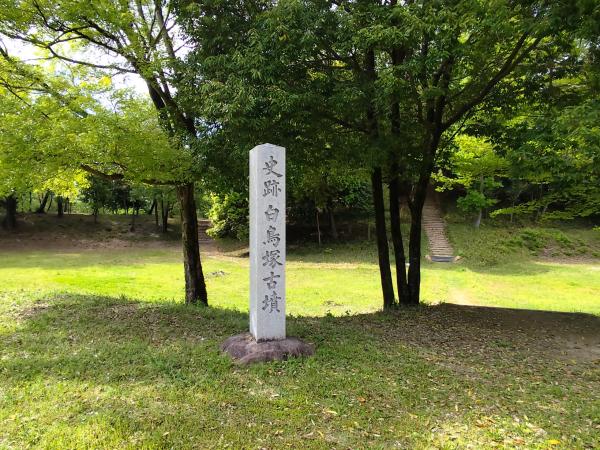
Shiratorizuka Kofun (Shiratorizuka Burial Mound)
■Recommended Highlights!
This keyhole-shaped kofun burial mound was built in the first half of the 4th century and, with a total length of about 115 meters, is the third largest in Aichi Prefecture (the largest is Danpusan Kofun in Atsuta Ward, Nagoya, at about 151 meters long, and the second largest is Aozuka Kofun in Inuyama City, at about 123 meters long).
It is a large keyhole-shaped kofun, the first to be built in the prefecture, and is said to have had close ties to the Yamato court. It has preserved almost all of its original form from that time. If you go near it or climb it, you can truly feel its immense scale.
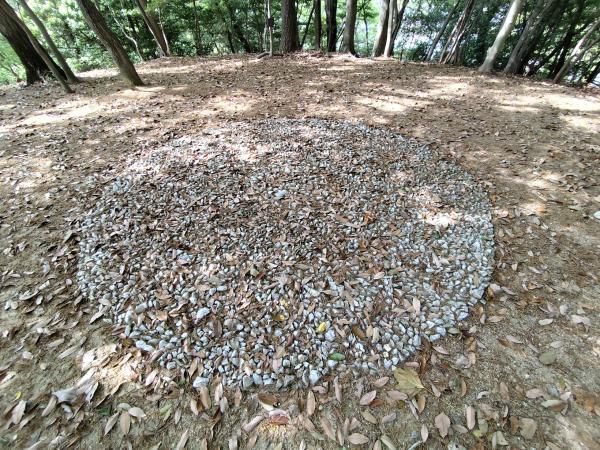
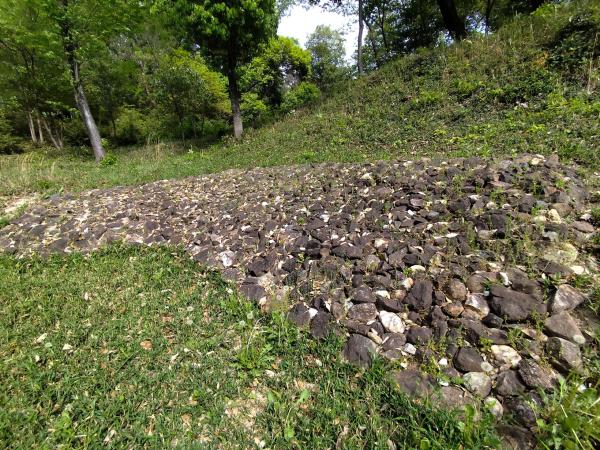
In an effort to recreate how it looked in those days, quartz has been spread across the top of the rear circular section, giving it a mysterious atmosphere... You can also see angular fukiishi (covering stones) on the slopes.
[Stopover Spot No. 3]
Togokusan Shirotori Kofun (Ancient Burial Mound)
■Recommended Highlights!
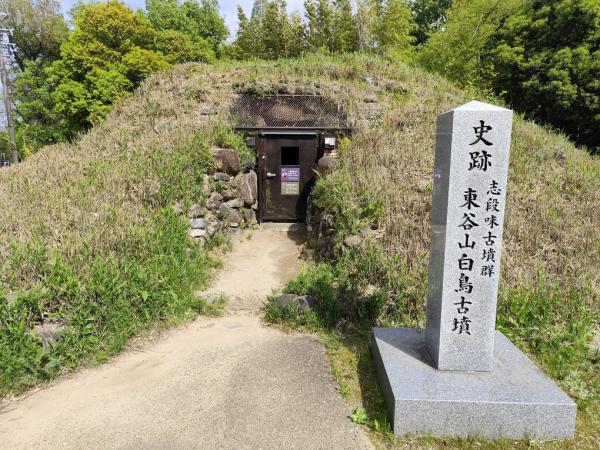
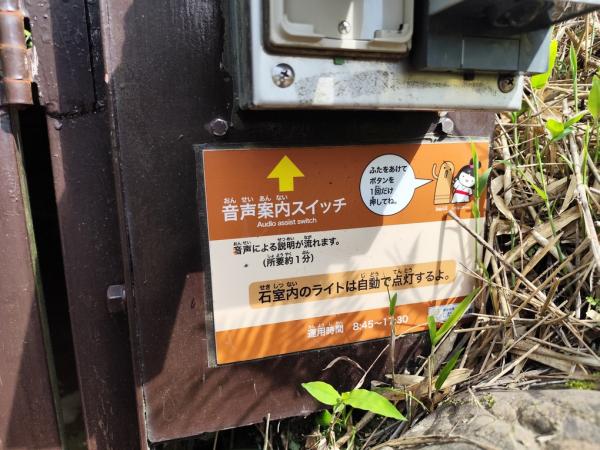
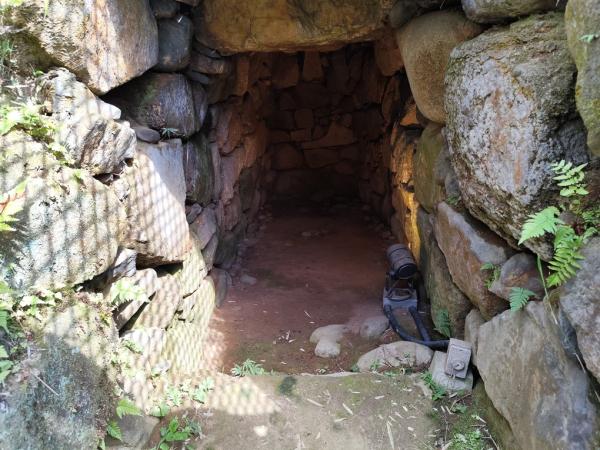
This is a circular burial mound about 17 meters in diameter, built in the late Kofun period, from the end of the 6th century to the beginning of the 7th century. Its horizontal stone chamber is extremely valuable, as it is the only one among the clustered tombs of the Shidami Kofun Group to remain in an almost completely intact state. Press the switch by the door to hear a roughly one-minute explanation. You can view the inside of the stone chamber through the fence.
What does the inside of an ancient burial mound look like? Togokusan Shirotori Kofun offers one answer to that question!
*By the way, if you visit Stopover Spots No. 1, No. 2, and No. 3, you can see kofun of various shapes, including a scallop-shaped kofun, a keyhole-shaped kofun, and a circular kofun. Please come and discover the unique charm of each for yourself on site.*
• In addition, the area around Shidamyu is packed with fascinating kofun, such as Kattezuka Kofun and Owaribe Shrine Kofun!
https://www.rekishinosato.city.nagoya.jp/kofun.html
https://www.rekishinosato.city.nagoya.jp/kofun.html
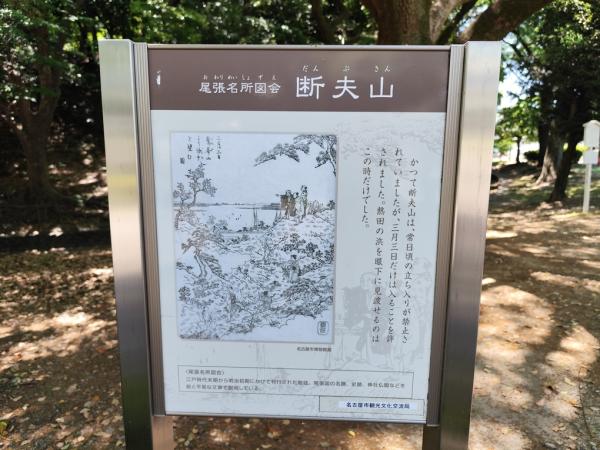
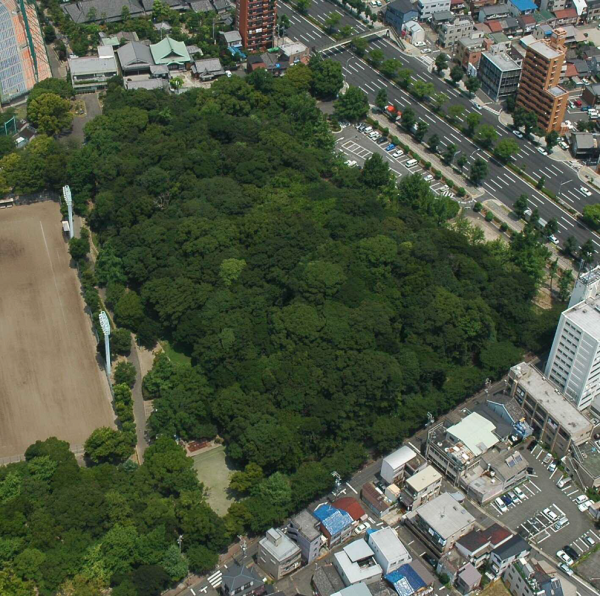
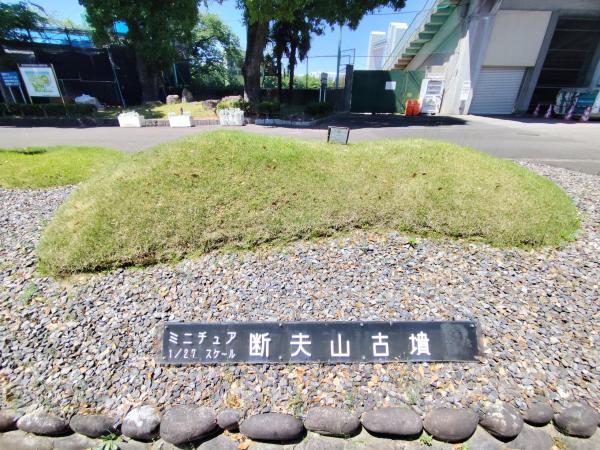
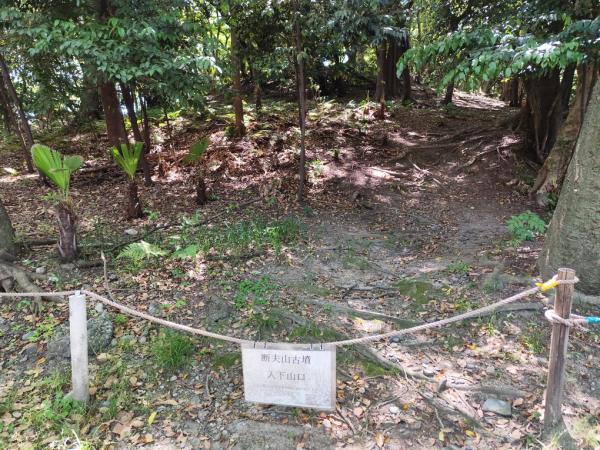
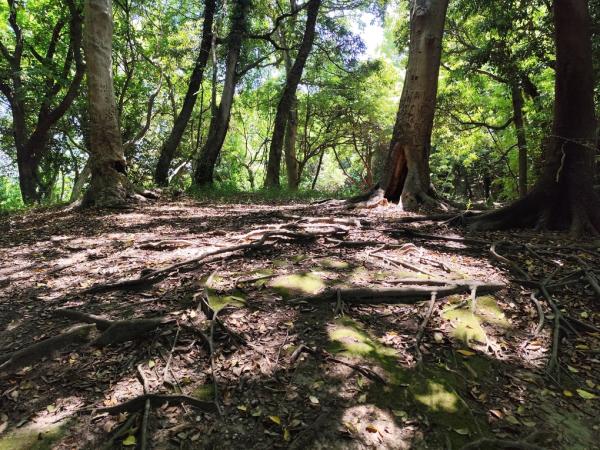
Danpusan Kofun (Danpusan Burial Mound)
■Recommended Highlights!
This keyhole-shaped kofun (ancient burial mound), built in the early 6th century, has a total length of about 151 meters and is the largest in Aichi Prefecture. Looking at the aerial photograph, you can truly appreciate its enormous scale. If you speak with the staff at the office next to the kofun, you may be allowed to climb it. (And please don’t forget to let them know again when you come back down!)
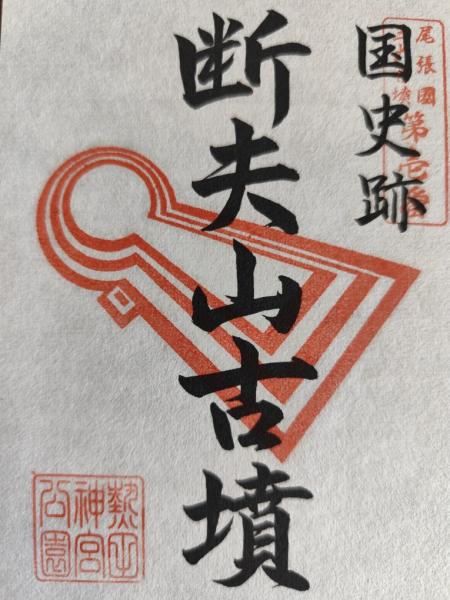
The person buried here is said to have been either Miyazu-hime, the woman loved by Yamato Takeru; a powerful local clan leader of the Owari region (Owari no Muraji Kusaka); or that leader’s daughter, who is also said to have been a consort of Emperor Keitai. As you reflect on who may have been laid to rest here and take in the breath of nature, be sure to make the climb. Incidentally, you can also purchase a gosfun-in burial mound seal at the office.
■Currently, entry onto the burial mound is not permitted due to the risk of falling trees. Access is prohibited for the time being, and we ask for your understanding.
If access becomes possible again, it will be announced on the Atsuta Jingu Park website or on Instagram. Thank you for your understanding, and please keep this in mind before visiting.
[Stopover Spot]
Atsuta Shrine
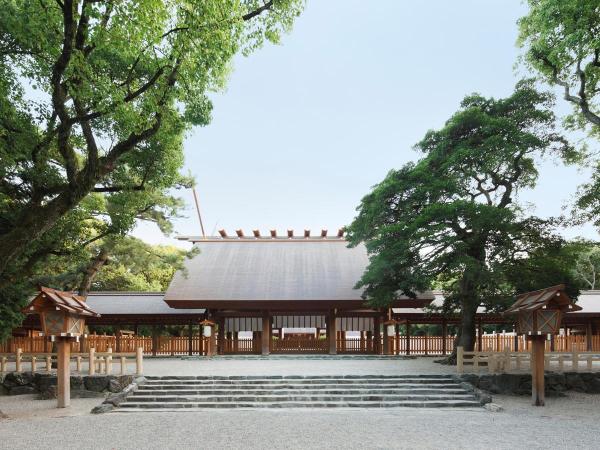
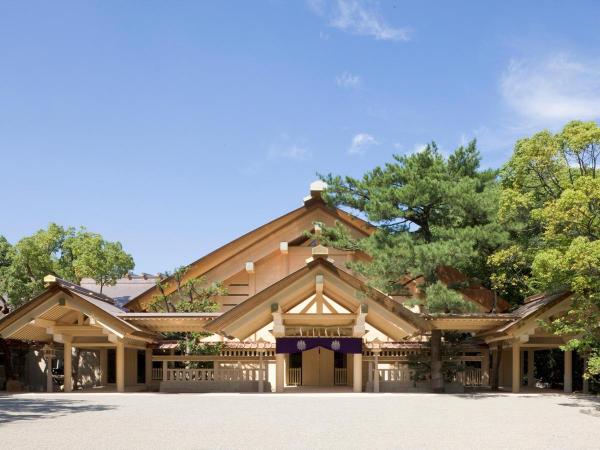
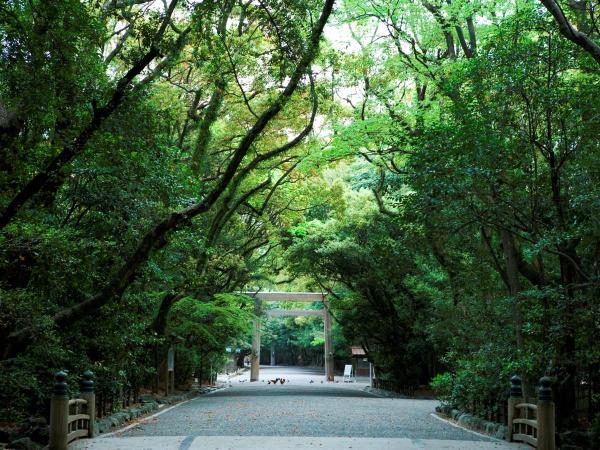
Atsuta Shrine is enshrined within “Atsuta no Mori,” a verdant sacred grove spreading across the southern part of Nagoya City. Affectionately known since ancient times as “Atsuta-san,” it is bustling with about seven million worshippers a year and is cherished not only by the people of Nagoya but by people throughout Japan as a “spiritual hometown,” drawing boundless reverence and faith. Enshrining the sacred Kusanagi Sword, one of the Three Imperial Regalia, it has since ancient times been revered by the Imperial Court and military leaders, and is known as a shrine second only to the Grand Shrine of Ise.
Ogruwa Jomon Museum
■Recommended Highlights!
In 2026 (Reiwa 8),Oguruwa Shell Mound was beautifully renovated and improved.
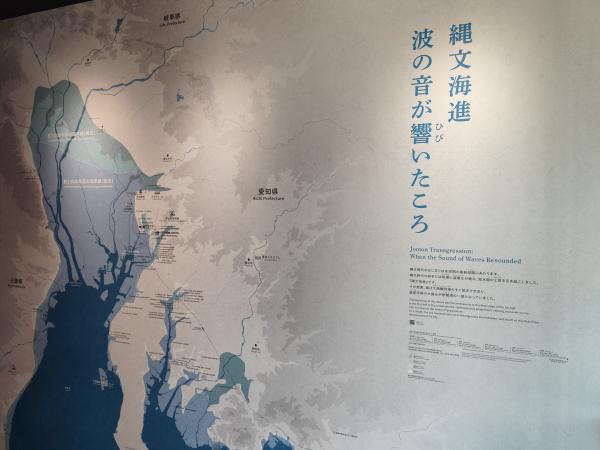
Oguruwa Shell Mound is a Jomon-period archaeological site located in Mizuho Ward, Nagoya City. It is a shell midden dating mainly from about 6,000 years ago (Early Jomon period) to about 3,000 years ago (Late Jomon period). It lies on a flat area formed by the Yamazaki River flowing from the Yagoto Hills, and at that time the sea extended right up to the area in front of it.
The historic site has been turned into an open grassy plaza that anyone can use. In addition, the area where the shell midden has been confirmed underground is marked with rubber chips. There is also a wall along the surrounding slope called the “10,000-Year Wall,” where you can see drawings of pottery and stone tools as well as three-dimensional models.
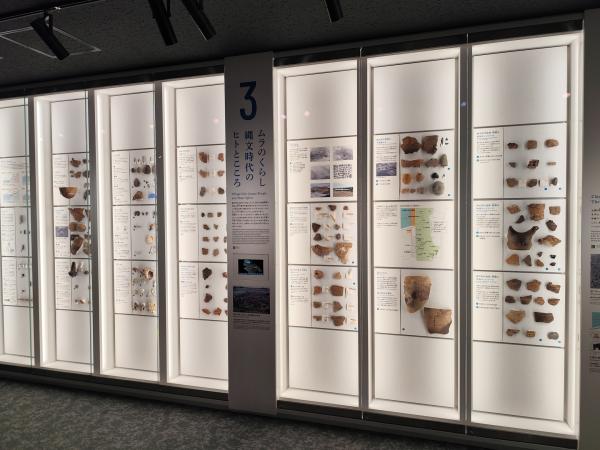
In addition, authentic artifacts discovered at the Oguruwa Shell Mound and Oguruwa Site (owned by the Board of Education) are displayed in a newly built guidance facility next to the shell midden, where visitors can view them up close.
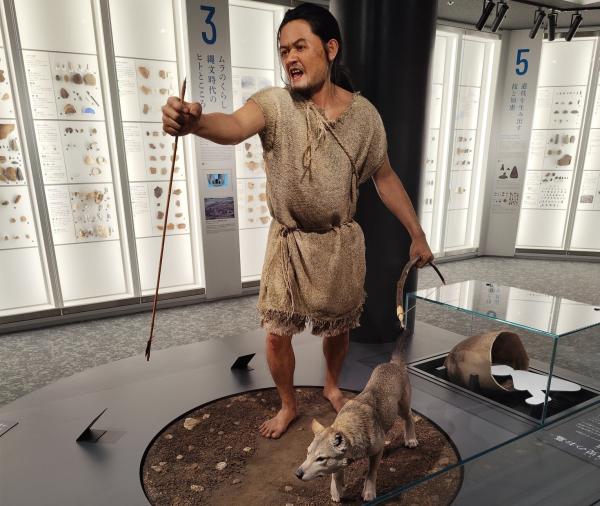
Highlights include easy-to-understand explanations of the “Jomon transgression,” which occurred during the Jomon period, a rich collection of Jomon-period materials, and above all, the display of the excavated “Human Remains No. 2” and its reconstructed model. Be sure to notice how strikingly lifelike it is—it looks as if it could start moving and speaking at any moment!
[Stopover Spot]
Mizuho Park
Mizuho Park is a park where the attractions of sports, nature, and history unfold across a vast 24-hectare site.
Reborn under the concept of “LifeSports - Our Own Park” and “Making sports freer, more fun, and for everyone,” it has taken on a new identity.
It expands the ways people can enjoy sports beyond simply “watching” and “competing” to include “playing” and “refreshing,” encouraging a wide range of ways to move both body and mind in everyday life.
Within the park, a variety of spots have been developed, including Paloma Mizuho Stadium, which can host international competitions; plazas created with input from the local community; an urban sports plaza where visitors can experience trending sports; and Oguruwa Plaza and the exhibition room “Oguruwa Jomon Museum,” where visitors can feel the history of the Jomon period up close.
With the figure-eight promenade “MIZUHO-LOOP,” which seamlessly connects the park, it has evolved into a place where strolling is even more enjoyable and where each visitor can discover their own unique pleasures.
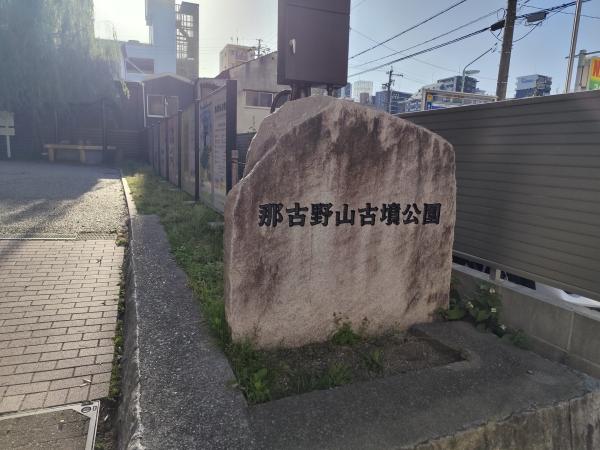
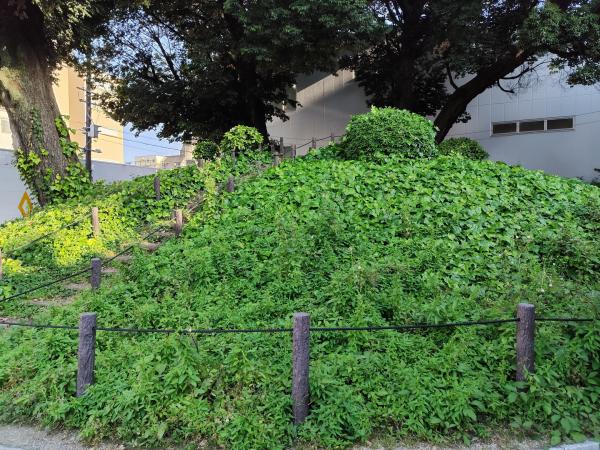
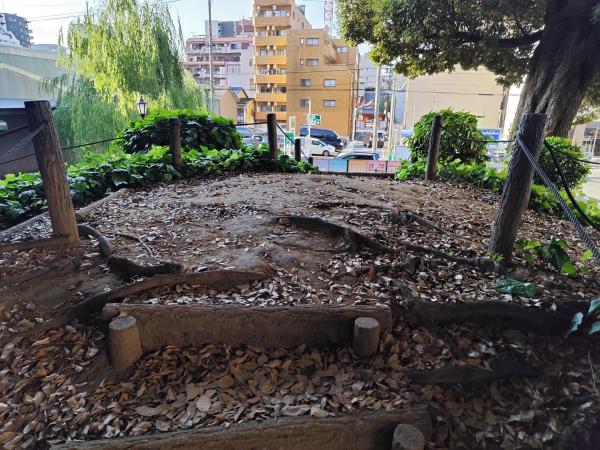
Nagoyayama Kofun Park (Nagoyayama Ancient Burial Mound Park)
■Recommended Highlights!
“Nagoyayama Kofun” is one of a group of burial mounds known as the Osu Kofun Cluster. It was built around the 6th century and is said to have originally been a keyhole-shaped tumulus. Archaeological excavations were conducted in 1991 and 1995, and the unearthed artifacts are now housed in the Nagoya City Museum.
In 2022, the area around the mound and the stairs leading up to it were improved, and it was reborn as a new power spot in Osu under the name Nagoyayama Kofun Park.
This green burial mound sits right in the middle of the hugely popular Osu Shopping District. From the small hill, you can look out over the town of Osu. Why not stop by between shopping and feel the breeze of ancient times?
[Stopover Spots]
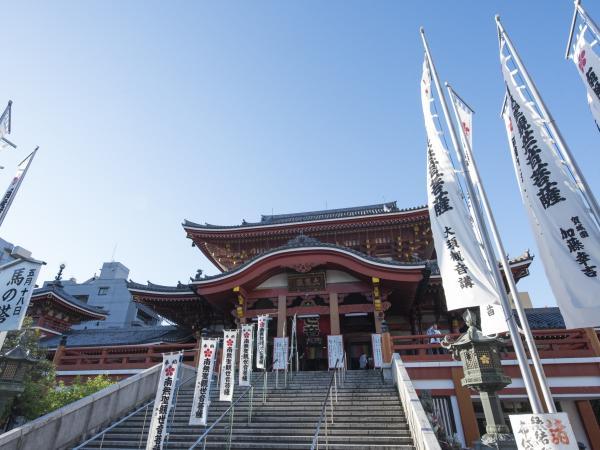
Ōsu Kannon / Ōsu Shopping Street
“The liveliest shopping street in Japan,” lined with all kinds of shops selling home appliances, vintage clothing, gourmet food, and more.
The antique market held on the grounds of Osu Kannon is also popular.
The antique market held on the grounds of Osu Kannon is also popular.
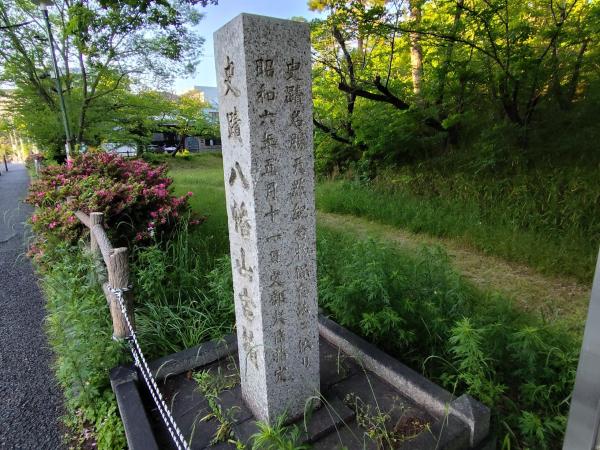
Yahatayama Kofun <Showa Ward, Nagoya City: within Tsuruma Park>
■Recommended Highlights!
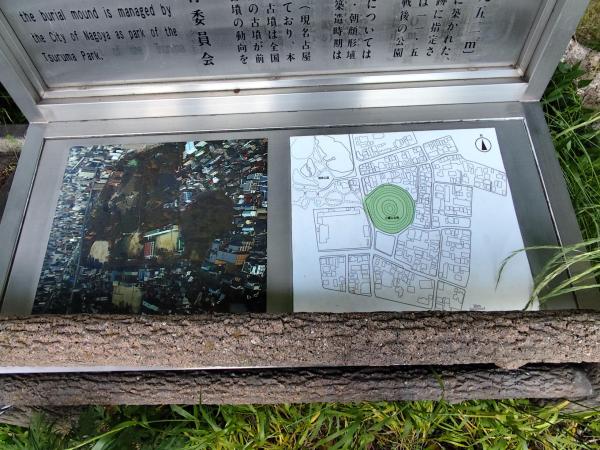
This is the largest circular burial mound in the Tokai region, measuring 82 meters in diameter and 10 meters in height. In 1919, it was incorporated into Tsuruma Park, and in 1931 it was designated a National Historic Site.
It is believed to be the tomb of a powerful clan that ruled the Nagoya Plateau in the first half of the 5th century, though excavated haniwa clay figures and other artifacts were lost in wartime air raids. The name Hachimanyama comes from the fact that the inner shrine of Gokiso Hachimangu once stood here, and it is also said that various Shinto rituals were held at the site.
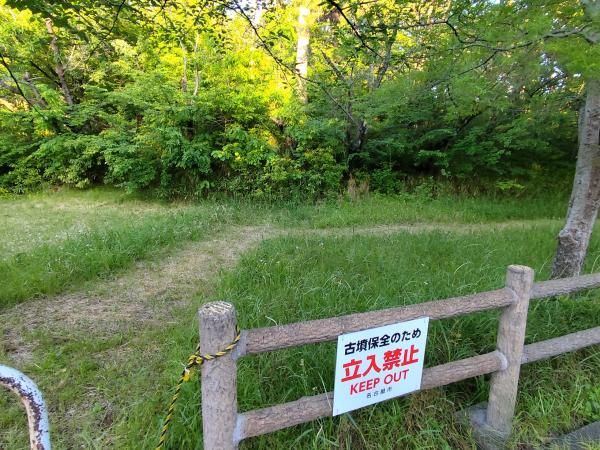
If you leave Tsuruma Park from the east side and cross the road, you can see it. You cannot enter the mound itself, but you can walk around it along the surrounding path, so why not stop by for a short visit on your way back after enjoying the flowers in Tsuruma Park?
[Stopover Spot]
Tsuruma Park
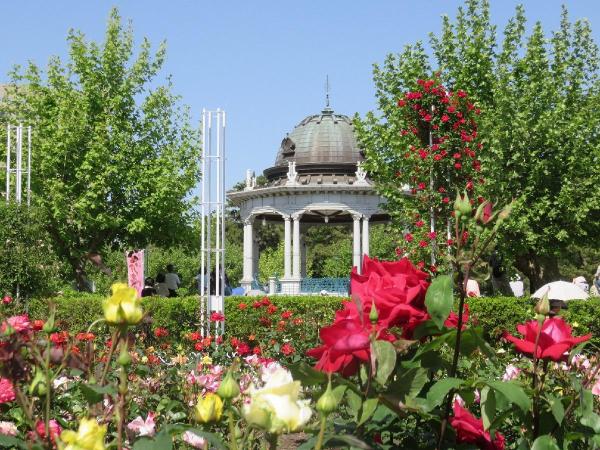
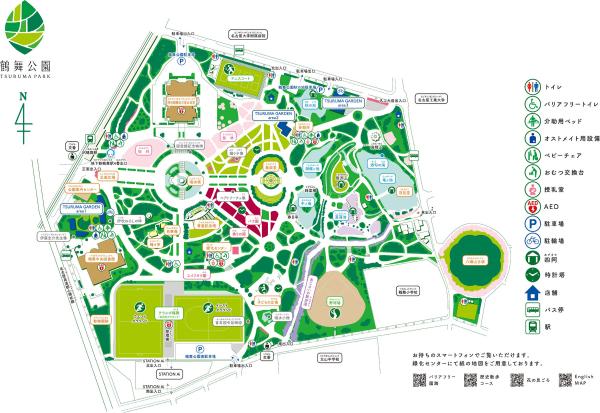
This is Nagoya City’s first municipal park, opened in 1909. The western side is a Western-style park centered around a fountain tower, with flower beds and a rose garden, while the eastern side is a Japanese garden featuring Kochogaike Pond and a Japanese iris pond. Beginning in April, when visitors gather under 750 cherry trees for cherry-blossom viewing, beautiful seasonal flowers such as azaleas, roses, and Japanese irises come into bloom one after another. The park also includes the Okaya & Co. Nagoya Public Hall, a library, and sports grounds, making it a place of relaxation for local residents.

Nagoya City Miharudai Archaeological Museum <Minami Ward, Nagoya City: inside Kasadera Park>
■Recommended Highlights!
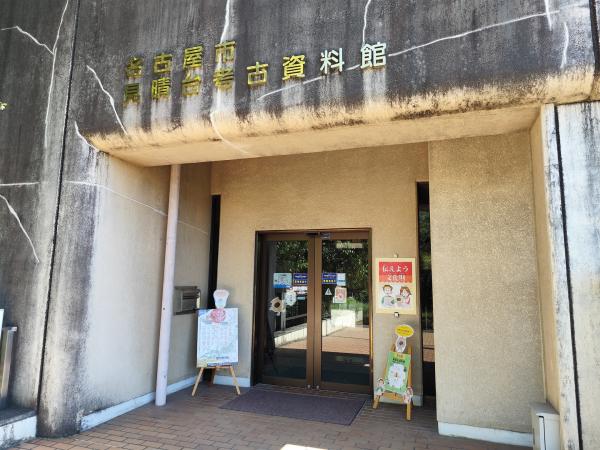
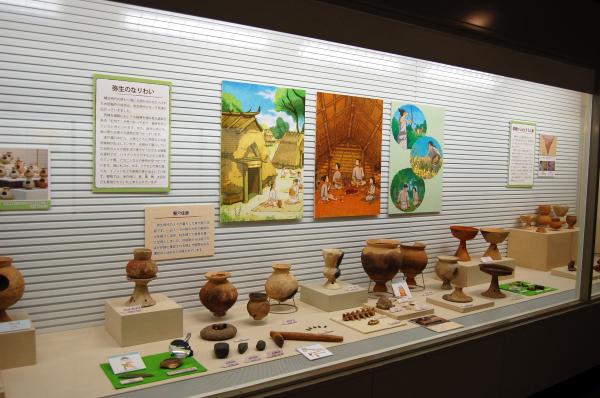
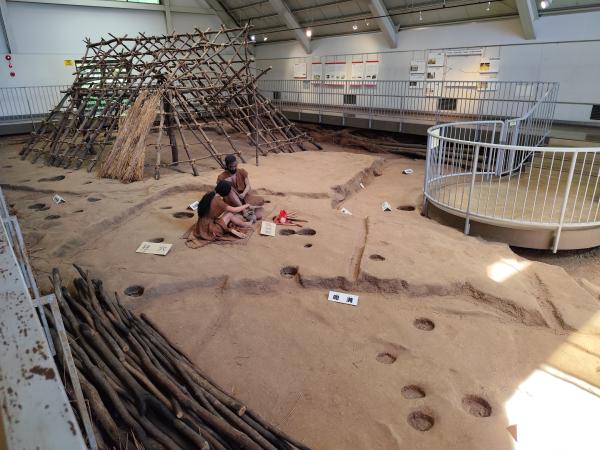
This museum is dedicated to the Miharashidai Ruins, known as a moated settlement from the late Yayoi period, which predates the Kofun period. In addition to an exhibition room introducing artifacts excavated from the Miharashidai Ruins, the dwelling-site observation building recreates the excavation site as it was found, featuring a full-scale reconstruction of a pit dwelling, making for a truly impressive experience.
Also, if you take a walk through Kasadera Park, where the archaeological museum is located, you can see facilities such as a reconstructed moat section showing the cross-section of the moated enclosure, as well as the remains of an anti-aircraft gun emplacement from World War II.
[Stopover Spot]
Kasadera Kannon (Ryufukuji)
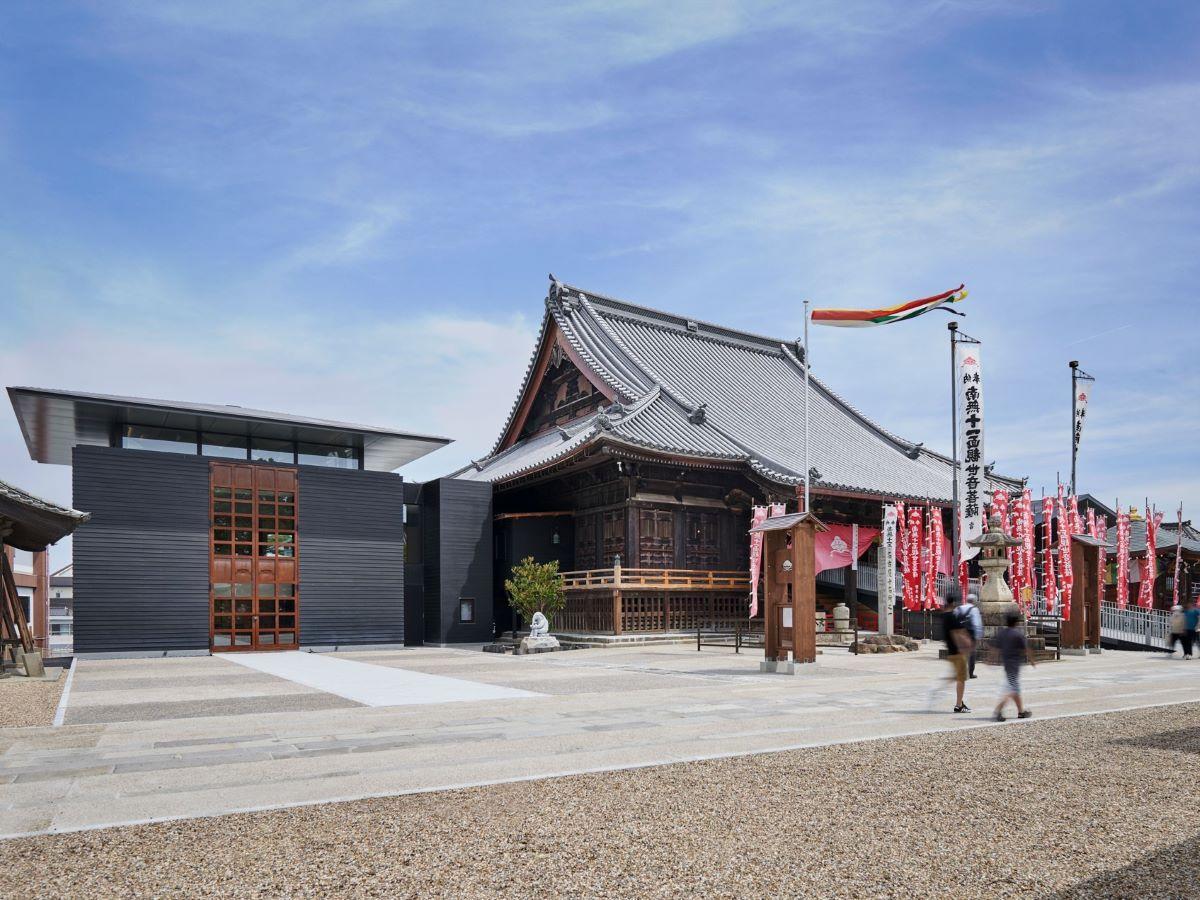
Shingon sect. Tenrinzan Ryūfukuji Temple. It is said to have begun in 733 (Tenpyō 5), during the reign of Emperor Shōmu, when the monk Dankō Shōnin carved an Eleven-Headed Kannon statue from driftwood that had washed ashore at Yobitsugi Beach and enshrined it, naming the temple Komatsu-dera. The temple also has the Harusame-zuka and Kasadera Chidori-zuka mounds associated with Bashō, as well as a monument to Miyamoto Musashi.
Aichi Asahi Archaeological Site Museum
■Recommended Highlights!
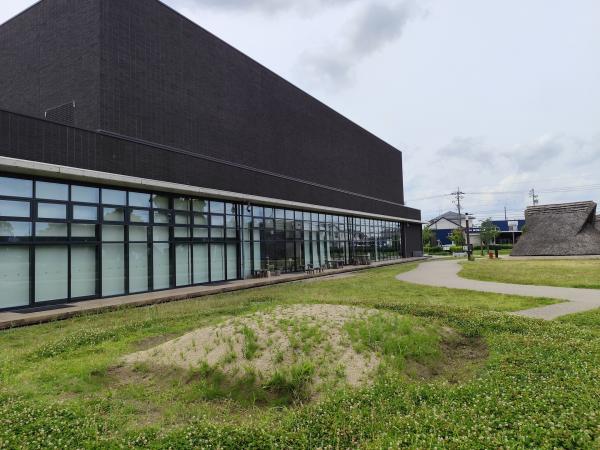
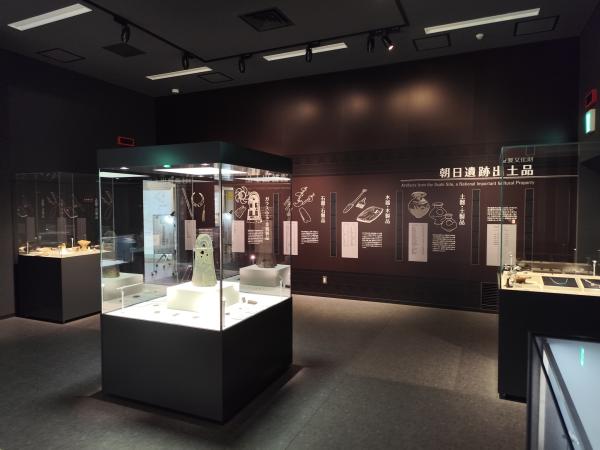
This museum offers a fun way to learn about the Asahi Site, one of the largest settlements in Japan, which flourished from the early Yayoi period to the early Kofun period (around the 6th century BCE to the 4th century CE) across present-day Kiyosu City and Nishi Ward of Nagoya City. Of the materials excavated from the Asahi Site, 2,028 have been designated Important Cultural Properties, and some of these artifacts are displayed in a mysterious setting centered around bronze bells. Also not to be missed is the enormous diorama that clearly shows sakamogi and rangui—wooden stakes installed in the surrounding moat to keep out intruders. You can also see the red pottery known as “Palace Style Pottery,” which represents the Owari region in the late Yayoi period!
This museum offers a fun way to learn about the Asahi Site, one of the largest settlements in Japan, which flourished from the early Yayoi period to the early Kofun period (around the 6th century BCE to the 4th century CE) across present-day Kiyosu City and Nishi Ward of Nagoya City. Of the materials excavated from the Asahi Site, 2,028 have been designated Important Cultural Properties, and some of these artifacts are displayed in a mysterious setting centered around bronze bells. Also not to be missed is the enormous diorama that clearly shows sakamogi and rangui—wooden stakes installed in the surrounding moat to keep out intruders. You can also see the red pottery known as “Palace Style Pottery,” which represents the Owari region in the late Yayoi period!
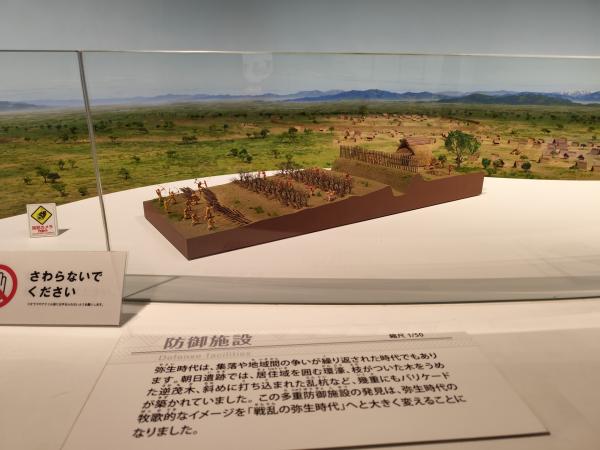
[Stopover Spot]
Kiyosu Castle
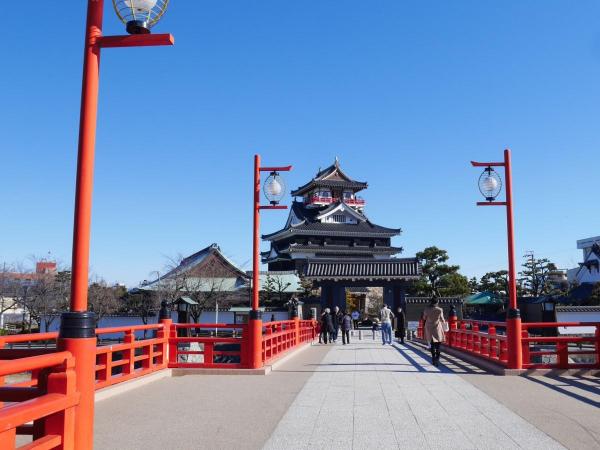
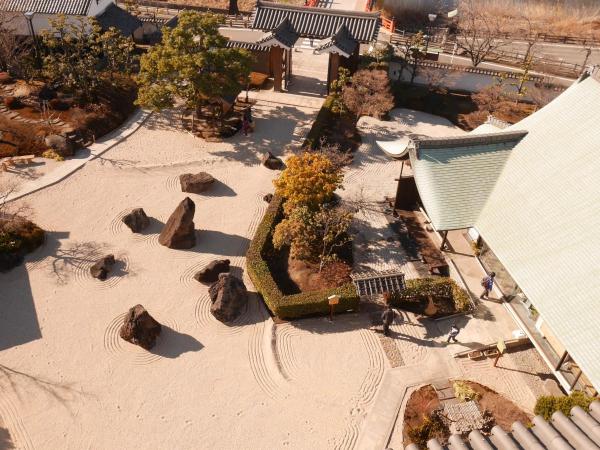
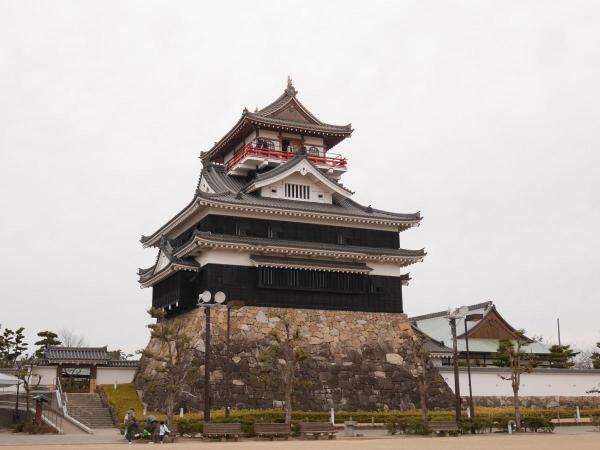
It is said that Kiyosu Castle began in 1405 (the 12th year of Ōei) during the Muromachi period, when Shiba Yoshishige, the military governor of Owari Province, had it built as an outer citadel of Shimozu Castle (in present-day Inazawa City), which served as the seat of the governorship. In 1555 (the 1st year of Kōji), Oda Nobunaga entered the castle from Nagoya Castle, and after his victory in the Battle of Okehazama in 1560 (the 3rd year of Eiroku), Kiyosu became known as the castle from which he took the first step toward unifying the nation.
[Google My Maps] Let’s explore the history of Nagoya with the theme of “Kofun and Ancient Times”!
SEARCH
- KEYWORD
RANKING